

Understanding the Challenge: Crispy Low Carb Fish Fillets Without Breading
Why Traditional Breading Isn’t Ideal for Low Carb Diets
When most people think about crispy fish fillets, the image of golden, breaded crust usually comes to mind. Traditional breading relies heavily on flour or breadcrumbs, both of which are high in carbohydrates. For anyone following a low-carb or ketogenic diet, breading becomes a clear no-go because it can quickly derail carb limits. The challenge, then, is how to capture that satisfying crunch without adding these carb-heavy coatings.
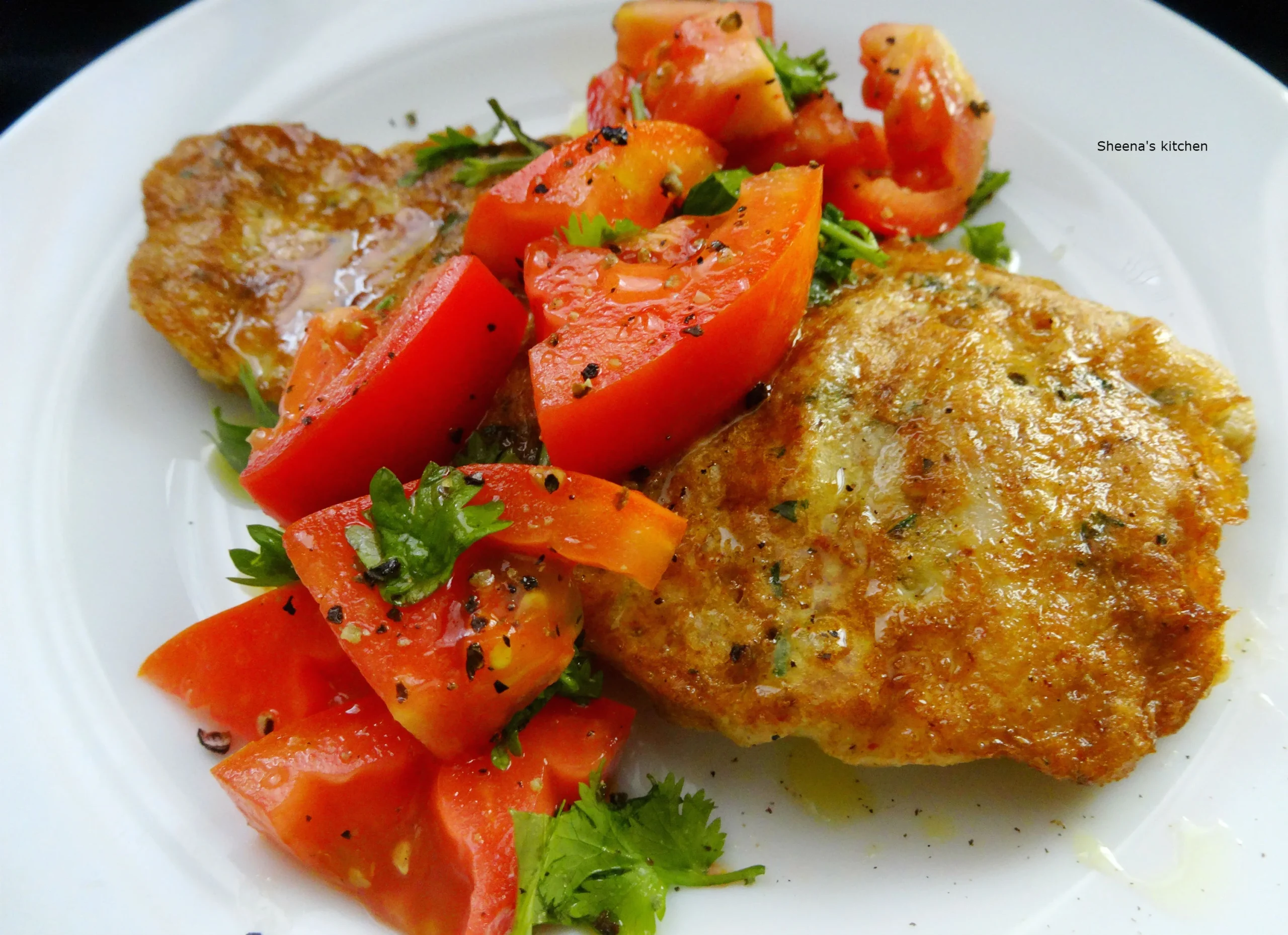
Many low-carb alternatives still mimic breading by using nuts or seeds, but these often require more steps, such as dipping in egg or coating with almond or pecan flour. This can complicate the process and sometimes adds extra calories or fat that don’t fit every dietary plan. Finding techniques that cut carbs without compromising texture is essential for a truly low-carb crispy fish experience.
The Science Behind Crispiness in Fish Fillets
Crispiness in fried or cooked foods comes from moisture evaporation and Maillard reactions—a chemical process that browns proteins and sugars when exposed to high heat. In fish, the moisture content is naturally high, so the goal is to evaporate surface moisture quickly to form a crunchy crust before the heat penetrates and overcooks the fillet’s delicate flesh.
Without traditional breading, crispiness depends on properly drying the fish surface, using the right cooking fat, and maintaining high enough heat. The surface temperature must be hot enough to create that crust but controlled so the inside remains tender and juicy. Understanding this balance is key to success in low-carb fish cooking.
Choosing the Right Fish for Optimal Crispiness
Best Low Carb Fish Varieties
Not all fish are created equal when it comes to frying or crisping. Firm, white fish varieties like perch, tilapia, catfish, and Alaskan cod are ideal. Their texture holds together well during cooking, reducing the risk of the fillet breaking apart. These fish are also naturally low in carbs and have mild flavors that pair well with diverse seasoning blends.
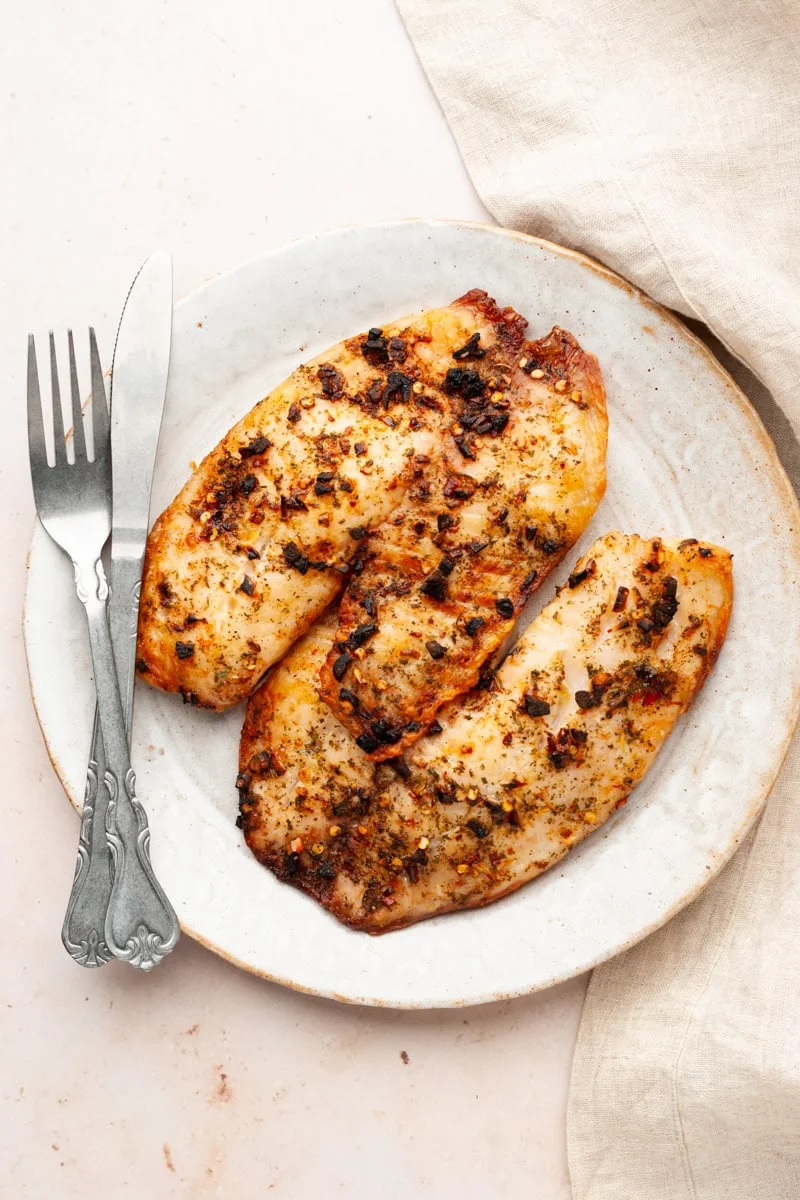
Wild-caught versus farmed can also influence the texture. Wild fish often have firmer flesh due to natural muscle usage, which can help achieve a better crust. That said, farmed fish can work fine if properly handled and dried before cooking.
Tips for Selecting Fresh and Firm Fillets
Freshness is critical. When buying fish for crispy fillets, look for flesh that springs back when pressed and doesn’t feel slimy. The color should be vivid and consistent, with no off smells. Firmness helps maintain the structure during cooking, making a crisp exterior easier to achieve.
If using frozen fillets, thaw them completely and pat dry thoroughly to remove excess water. Patience in prep is vital—wet fish will steam rather than fry, resulting in soggy textures.
Preparation Techniques to Achieve Crispiness Without Breading
Patting Dry and Seasoning Strategies
One of the simplest yet most effective steps is to pat the fish dry with paper towels before cooking. Removing surface moisture drastically improves the potential for crispiness. Once dry, seasoning the fillets liberally with salt not only enhances flavor but also helps draw out residual moisture.
Incorporating lemon zest and parsley directly on the fish adds freshness and aroma without adding carbs. These ingredients brighten the palate and complement the natural fish flavor.
Using Alternative Ingredients for Texture Enhancement
While some avoid breading altogether, others use thin crusts made from low-carb ingredients such as almond flour or pecan flour to mimic the crunch. Adding spices like garlic powder, smoked paprika, chili powder, or cayenne pepper to these crumbs creates a personalized flavor boost.
For those open to a light coating, dusting the fillets briefly with these nut-based flours can provide a crispy exterior without the carb hangover of traditional breadcrumbs. Skipping the egg step is often feasible since the fish’s slightly damp surface can act as a natural adhesive.
Cooking Methods for Perfectly Crispy Low Carb Fish
Pan-Frying: Heat Management and Oil Choices
Pan-frying remains one of the best methods to get a crispy finish on low-carb fish. Heat management is crucial; the oil needs to be hot enough to sizzle on contact but not so hot that the fish burns before cooking through. Medium-high heat allows the surface to crisp while preserving the moist interior.
Using heart-healthy oils with high smoke points, like avocado oil or light olive oil, ensures safety and flavor. Add the fish gently to the pan and avoid overcrowding, which lowers the oil temperature and leads to sogginess.
Air Frying: Pros and Cons
Air fryers have become popular for low-carb recipes because they can create crisp textures without excessive oil. For fish fillets, air frying offers convenience and healthier results by reducing fat intake.
However, air fryers may sometimes dry out the fish if the cooking time or temperature isn’t monitored carefully. Preheating the appliance and lightly oiling the fillets can help achieve a golden crust. Air frying also works well with nut-based coatings but might not produce the same crust as pan-frying.
Baking with a Crispy Finish
Baking fish fillets at high heat can yield crispy exteriors, especially when placed on a wire rack to allow airflow around the fillet. Spraying a thin layer of oil on the surface can assist the browning process.
This method is suitable for hands-off cooking and can be paired with herb toppings or a squeeze of lemon juice before serving. Keep an eye on the fish to prevent drying—usually, 10 to 15 minutes at 425°F is sufficient depending on thickness.
Enhancing Flavor Without Adding Carbs
Spice Blends and Herb Combinations
Flavorful spice blends amplify the eating experience without carbs. Classic combinations include smoked paprika, garlic powder, cayenne, and freshly ground black pepper. Fresh herbs such as parsley, dill, or chives sprinkled after cooking introduce brightness and complexity.
In one memorable dinner, a simple dusting of smoked paprika and fresh parsley transformed basic tilapia into a dish so aromatic and flavorful the whole family requested seconds, demonstrating how powerful seasoning can be without any breading.
Low Carb Sauces and Dips to Complement the Fish
Pairing crispy fish with low-carb sauces like homemade tartar sauce, made from mayonnaise, dill, capers, and lemon juice, enhances moisture and adds a creamy contrast. Other options include garlic aioli or avocado-based dips.
A squeeze of fresh lemon juice before serving always brightens the flavor, balancing richness and adding a refreshing note. Serving the fish alongside keto-friendly sides like roasted broccoli or cauliflower mash completes a satisfying low-carb meal.
Troubleshooting Common Issues
Why Isn’t My Fish Crispy?
If the fish isn’t developing that coveted crunch, the most common culprit is excess moisture. This often happens if the fillet is not dried thoroughly or if the oil isn’t hot enough. Another issue could be overcrowding the pan, which drops the oil temperature.
Using a cast iron or heavy-bottomed skillet helps maintain stable heat, allowing for proper crust formation. Skipping the drying step or relying solely on low-heat cooking will keep the fish from crisping up.
How to Avoid Dry or Overcooked Fish
Fish cooks quickly; overexposure to heat results in dry, flaky fillets lacking juiciness. To avoid this, monitor cooking times closely and consider the thickness of your fillets. A good rule of thumb is about 3 to 5 minutes per side for medium-thick fillets on the stove.
Using a thermometer or performing the flake test (checking if the fish easily separates with a fork) helps prevent overcooking. Resting the fish briefly after cooking also allows juices to redistribute, maintaining tenderness inside while keeping the exterior crisp.


