

Understanding Mold on Shower Curtains
What Causes Mold Growth in Bathrooms?
Mold thrives in damp, warm environments, which makes bathrooms prime spots for growth. Shower curtains remain wet for long periods, providing the perfect breeding ground. Soap residue and organic material left on the curtain serve as food for mold and mildew, accelerating their development. Poor ventilation and lack of airflow further exacerbate the problem by trapping moisture.
Health Risks Associated with Mold Exposure
Exposure to mold can trigger allergic reactions, respiratory issues, and skin irritation. Sensitive individuals, such as children and those with asthma, are especially vulnerable. Prolonged contact with mold spores in the shower curtain can lower indoor air quality, posing a risk to all household members. Addressing mold early is crucial to maintain a healthy environment.
Gathering Natural Cleaning Supplies
Essential Ingredients for Eco-Friendly Mold Removal
Natural cleaning solutions offer an effective and safe way to tackle mold without harsh chemicals. White vinegar is a powerful antifungal agent that kills mold spores and prevents regrowth. Baking soda complements vinegar by scrubbing away mold and deodorizing the fabric. Lemon juice adds extra antifungal properties, while tea tree oil naturally inhibits mold and mildew development. It’s important to avoid mixing hydrogen peroxide and vinegar, as this creates toxic gases.
Tools and Materials Needed for the Cleaning Process
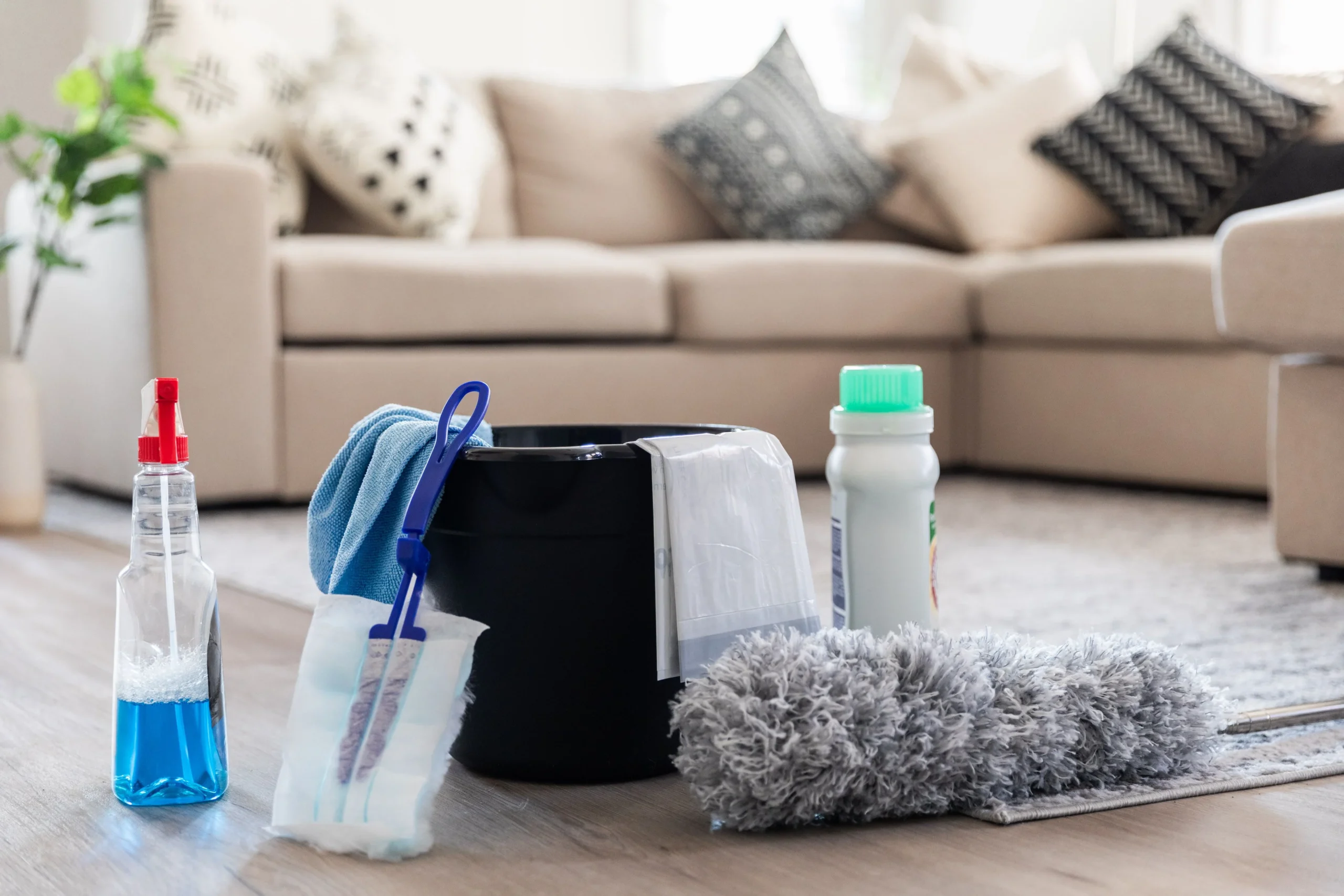
Gathering the right materials streamlines the cleaning. A spray bottle allows even application of liquid cleaners. A soft brush or sponge helps loosen mold stains without damaging the curtain. For tougher cases, consider using eco-friendly products like Branch Basics Oxygen Boost or OxiClean™ alternatives, which contain natural ingredients that break down mold and mildew effectively. Additionally, having gloves and a washing machine ready facilitates safe and thorough cleaning.
Preparing the Shower Curtain for Deep Cleaning
Removing the Curtain Safely
Start by carefully taking down the shower curtain to avoid spreading mold spores in the bathroom. Place it in a sealed plastic bag if transport to the laundry area is necessary. This step minimizes airborne contamination and keeps mold confined. Inspect the curtain for any tears or damage before cleaning, as compromised fabric might require replacement rather than cleaning.
Pre-Treatment Tips to Loosen Mold and Mildew
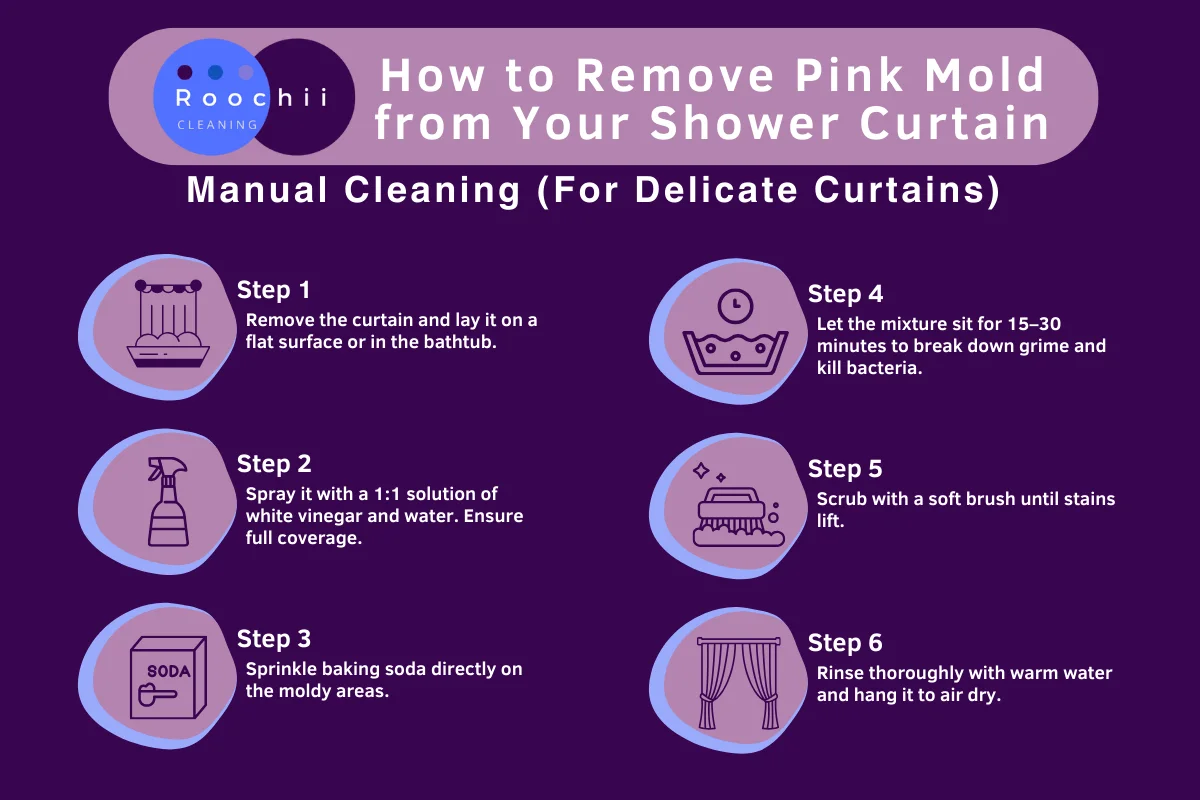
Pre-treating stubborn mold spots loosens build-up for easier washing. Apply undiluted white vinegar or a mixture of lemon juice and tea tree oil directly to affected areas using a spray bottle. Let it sit for at least 10-15 minutes to penetrate the mold. Gently scrub with a soft brush if needed, focusing on edges, folds, and seams where mold hides. This preparatory step enhances the effectiveness of subsequent washing.
Effective Natural Cleaning Methods
Using Vinegar and Baking Soda to Eliminate Mold
One of the most effective natural methods combines white vinegar and baking soda. First, soak the shower curtain in a basin filled with warm water and one cup of vinegar for an hour. Then, sprinkle baking soda over the curtain and scrub lightly to remove mold residues. The fizzing reaction helps break down mold and deodorizes the fabric. Rinse thoroughly to remove all traces of cleaning agents.
Lemon Juice and Tea Tree Oil for Antifungal Action
Lemon juice’s acidity combined with tea tree oil’s antifungal properties makes a powerful cleaning duo. Mix two tablespoons of lemon juice with ten drops of tea tree oil in a spray bottle filled with water. Spray generously on the curtain and allow it to air dry or wash afterward. This method is gentle but effective, leaving a fresh scent and preventing mold recurrence.
Step-by-Step Washing Instructions
After pre-treatment, machine wash the curtain on a gentle cycle with warm water. Add a half cup of baking soda during the wash and a cup of vinegar during the rinse cycle for boost cleaning power. Avoid fabric softeners, as they can leave residues that encourage mold growth. Once washed, inspect the curtain to ensure all mold is removed. For plastic curtains, hand-washing might be sufficient using the same natural cleaners.
Drying and Preventing Future Mold Growth
Proper Drying Techniques to Avoid Moisture Buildup
Thorough drying is essential to prevent mold from returning. Always pull the shower curtain fully closed after use to ensure it dries flat and evenly. If possible, hang it in a well-ventilated area or outdoors under sunlight. Running a bathroom fan or opening windows during and after showering reduces humidity. For bathrooms with poor ventilation, using a dehumidifier can effectively control moisture levels.
Routine Maintenance Habits for a Mold-Free Shower
Regular cleaning prevents accumulation of soap scum and mold food sources. Wiping down the curtain and surrounding surfaces weekly limits mildew build-up. Consider replacing traditional plastic curtains with linen or hemp options, which naturally resist mold growth. Using shower curtain liners that fully cover the curtain also minimizes exposure to moisture. Keeping these habits consistent ensures long-lasting cleanliness.
When to Replace Your Shower Curtain
Signs That Cleaning is No Longer Effective
Repeated mold stains, persistent odors, or fabric deterioration signal it’s time to replace the curtain. Mold deeply embedded in fabric fibers becomes difficult to remove despite thorough cleaning. Additionally, discoloration or tears compromise both appearance and hygiene, making replacement the safer choice to maintain a healthy bathroom environment.
Choosing Mold-Resistant Shower Curtains
Opt for materials like linen or hemp, which offer natural antifungal properties without chemicals. Cotton blends also work but may need more frequent laundering. Some modern options incorporate antimicrobial treatments or are designed for easy maintenance. Selecting mold-resistant curtains reduces cleaning frequency and enhances bathroom hygiene over time, making them a valuable investment.


