

Why Clear Storage Bins Are Essential for Kitchen Cabinet Organization
Picture this: you’re cooking dinner, searching for that elusive can of tomato paste buried deep in the cabinet, and every minute lost adds to your frustration. Clear storage bins provide an immediate solution by allowing you to see what’s inside without rummaging through piles of items. Unlike opaque containers or tossing items loosely into shelves, clear bins offer visibility that transforms chaotic cabinets into tidy, functional spaces.
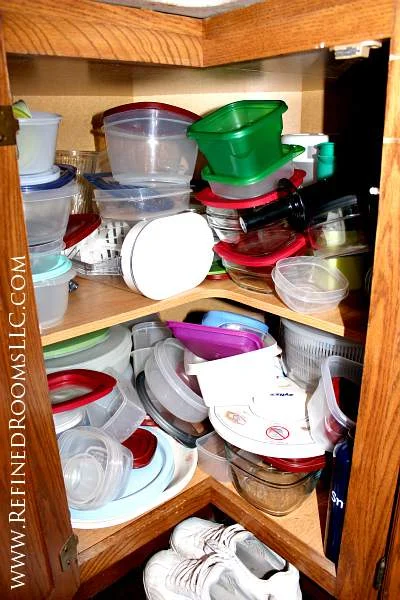
Using clear bins also encourages better organization habits. When you can visually assess your inventory, it becomes easier to spot duplicates or expired goods, streamlining your kitchen routine. Beyond saving time, clear bins help maximize cabinet space by containing small or oddly shaped items that would otherwise clutter your shelves.
Assessing Your Kitchen Cabinet Space: Preparation Steps
Taking Inventory of Existing Items
Before diving into storage solutions, start by taking stock of everything currently in your cabinets. This means pulling out every item, from canned goods to baking supplies, and setting them on your kitchen counter. It might seem tedious, but this hands-on approach lets you judge what you actually use versus what’s just taking up space. For example, you may discover several types of spices you rarely reach for or kitchen gadgets that haven’t been touched in years.
Being honest about your usage is vital. Ask yourself if you’ve used the item in the last year, if it’s still in good condition, or if you have duplicates. This evaluation typically reveals items you can donate, toss, or relocate. Such decluttering is necessary before introducing clear bins—it prevents packing your storage solutions with unnecessary clutter.
Measuring Cabinet Dimensions Accurately
Once you’ve cleared and sorted your cabinets, the next step is to measure the interior space precisely. Use a tape measure to note the height, width, and depth of each cabinet section. Remember to consider shelves, especially if they’re adjustable, as some bins might only fit if shelves are moved up or down.
Accurate measurements ensure you select bins that fit neatly without wasting space. For instance, a deep, narrow cabinet might benefit from tall, slim bins stacked vertically, while wide cabinets suit larger, more accessible containers. This preparation avoids buying storage solutions that are either too big to fit or too small to be efficient.
Choosing the Right Clear Storage Bins for Your Kitchen
Material Types and Durability
When selecting clear storage bins, material quality plays a crucial role. Plastic is the most popular choice for kitchen cabinets due to its lightweight nature and durability. Look for BPA-free, dishwasher-safe options to ensure both safety and ease of cleaning.
Acrylic bins offer a more rigid, elegant option and resist scratching better than some plastics, but they tend to be pricier. For heavy items like canned goods or pots, sturdier plastic bins with reinforced edges prevent cracking under weight. Avoid flimsy materials that may warp or discolor over time from kitchen humidity and heat.
Size and Shape Considerations
Consider how you plan to use the bins when deciding on size and shape. Smaller bins are perfect for grouping spices, snack packets, or baking supplies, while larger ones hold bulkier items like cereal boxes or cleaning supplies. Aim for uniformity in shape when possible; stackable rectangular bins utilize cabinet height efficiently and make accessing lower layers easier.
Think about the daily workflow in your kitchen. For example, place smaller bins near the stove for spices, while breakfast cereals might go in larger bins in an easy-to-reach pantry cabinet. Choosing bins that fit your cabinet’s depth and height simplifies organization and retrieval.
Step-by-Step Process to Organize Kitchen Cabinets
Empty and Clean Cabinets Thoroughly
Start fresh by removing all items from your cabinets. Use this as an opportunity to deep clean shelves—wipe down surfaces, remove crumbs, and consider lining shelves with non-adhesive liners that make future cleaning easier. These liners also help keep bins stable and prevent scratches on cabinet surfaces.
This clean slate approach not only refreshes the space but also motivates you to rethink how items should be organized, based on your kitchen’s unique workflow.
Sort Items by Category and Frequency of Use
Next, group items logically. Create subcategories such as everyday essentials, specialty tools, and seasonal goods. For instance, everyday spices and cooking oils should be placed in bins nearest the stove, while baking supplies used only occasionally belong in a separate bin stored higher or further away.
Sorting by frequency of use saves effort during cooking and prevents lesser-used items from cluttering your prime shelf space. Additionally, grouping similar items avoids the frustrating experience of digging through random collections of mismatched goods.
Labeling Bins for Easy Identification
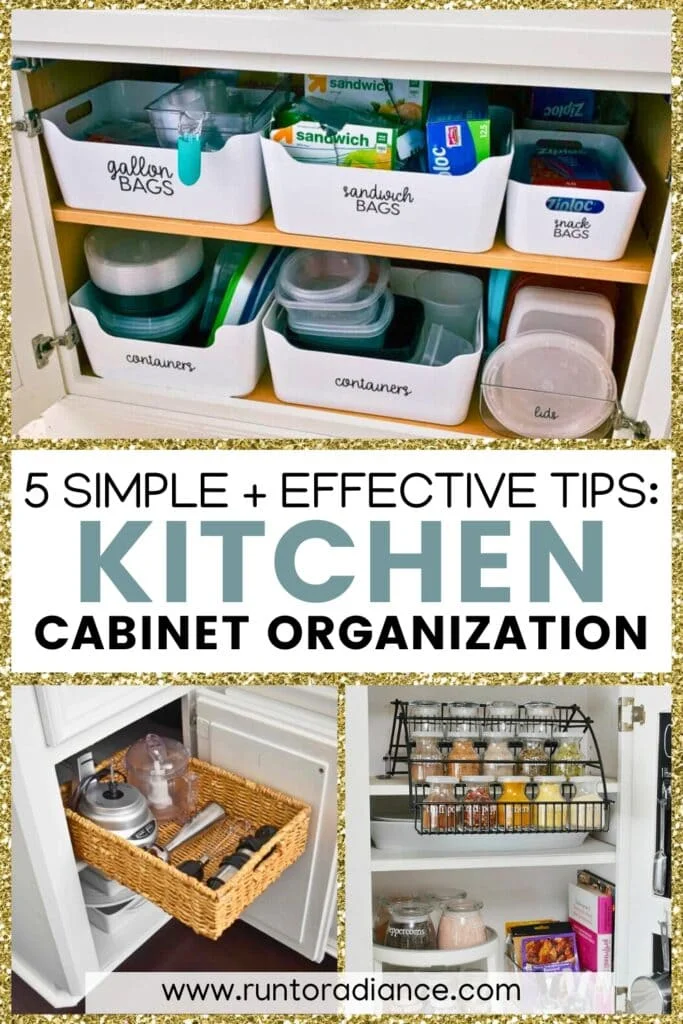
Labels are an understated but powerful organizational tool. Even though bins are clear, labeling them adds clarity and speeds up your kitchen tasks. For example, a bin labeled “Baking Essentials” containing measuring cups, baking powder, and vanilla extract lets anyone in the household find these items without guesswork.
Consistent, easy-to-read labels can be created with simple printable stickers or a label maker. Place labels on the front or top of bins depending on visibility inside your cabinets.
Stacking and Arranging Bins Efficiently
Once bins are filled and labeled, consider the best way to arrange them. Stack smaller bins inside larger bins or use vertical dividers to organize baking sheets and cookie trays. Place frequently used bins at eye level or in the front for easy access.
To improve your kitchen workflow, store items close to where they’re used. For example, place cooking utensils in an open container on the counter near the stove, while storing extra Tupperware sets in a cabinet near the refrigerator.
Maintenance Tips to Keep Your Cabinets Organized
Keeping cabinets tidy demands ongoing effort. Make it a habit to regularly re-assess your inventory every few months to remove expired foods or unused gadgets. Wiping down bins and replacing shelf liners during these check-ins helps maintain cleanliness.
Also, ensure all family members know where items belong and encourage consistent return of items to their labeled bins. This shared responsibility drastically reduces clutter buildup and extends the life of your organizational system.
Additional Tools and Accessories to Complement Storage Bins
Clear storage bins are just one part of an efficient cabinet organization toolkit. Consider adding hooks inside cabinet doors to hang utensils or oven mitts, freeing up shelf space. Drawer dividers keep silverware and smaller tools neatly separated, while pull-out trays or organizers improve accessibility in deep or high cabinets.
Using a combination of these accessories tailored to your kitchen’s layout and cooking habits enhances your storage system, making daily meal prep smoother and more enjoyable.


