

Understanding Soil Drainage in Vegetable Gardens
What is Soil Drainage and Why It Matters
Soil drainage refers to the soil’s ability to allow water to pass through and away from plant roots. Proper drainage is crucial in vegetable gardens because it affects root health, nutrient uptake, and overall plant growth. When soil holds too much water, roots can suffocate and rot, leading to poor yields. Conversely, overly drained soil may leave plants dry and stressed, limiting water availability during critical growth stages.
Identifying Signs of Poor Drainage
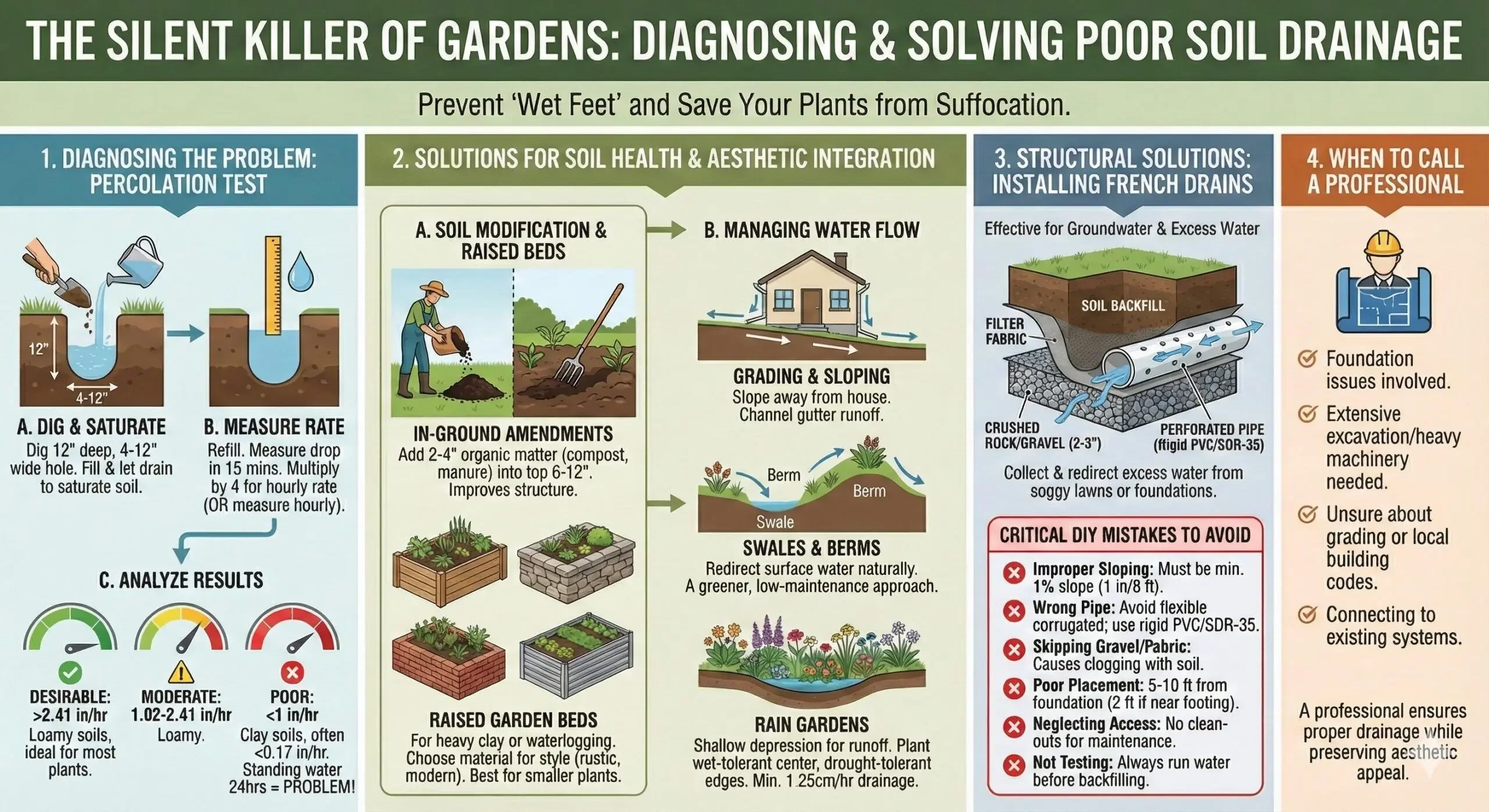
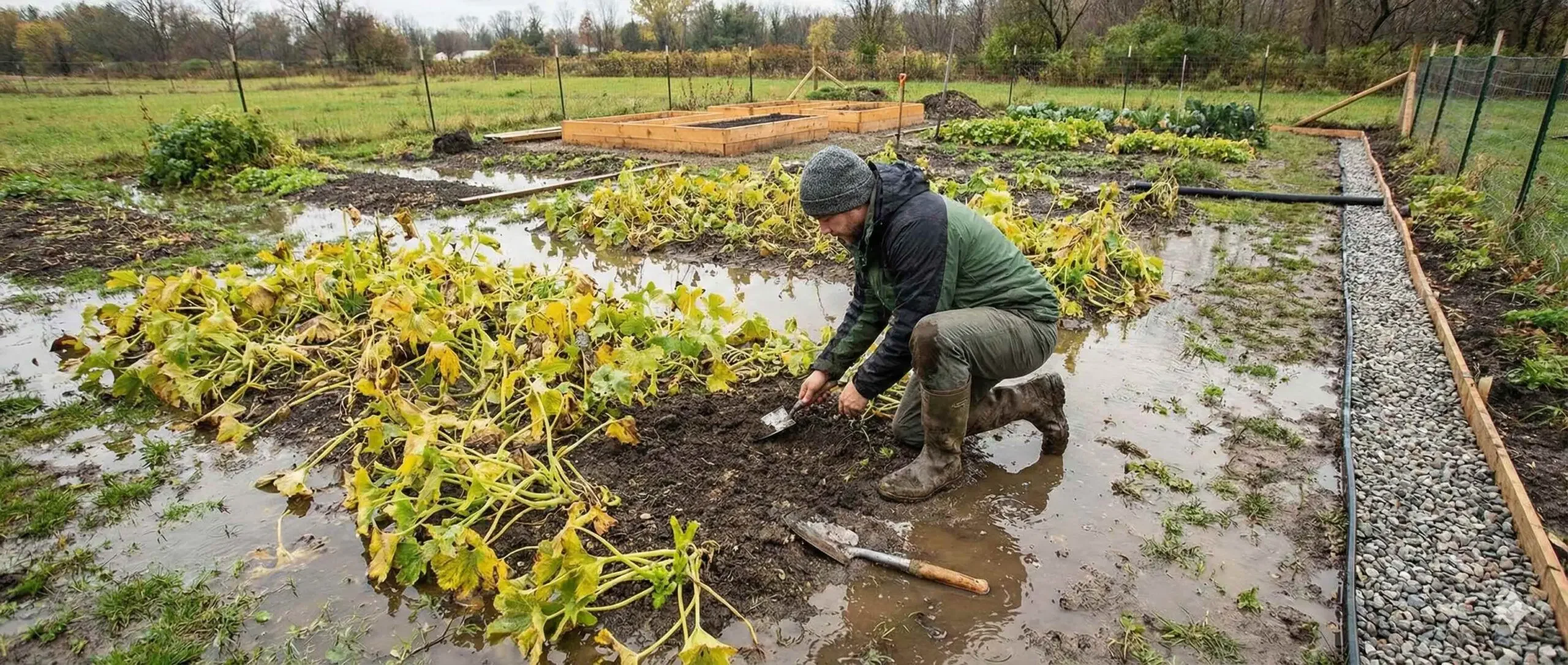
Spotting drainage problems early helps prevent damage to your vegetable garden. Common indicators include water pooling in low areas after rain or irrigation. If water remains for more than 24 hours, the soil likely drains poorly. Other signs include yellowing leaves, wilting despite adequate watering, and stunted growth. Vegetables planted in excessively drained soil can also show signs of drought stress because water escapes too quickly.
Common Causes of Soil Drainage Problems
Soil Composition and Texture Issues
Soil types vary in their drainage capabilities. Clay soils tend to retain water and drain slowly because of their fine particles, while sandy soils allow quick water movement but can dry out rapidly. Loamy soils offer a balanced texture with better drainage and moisture retention, ideal for vegetable cultivation. Understanding your soil’s texture helps you anticipate drainage performance and tailor amendments accordingly.
Landscape and Slope Factors
The garden’s terrain plays a significant role in drainage. Flat areas can trap water, leading to saturation, while steep slopes may cause water to run off before soaking in. Uneven surfaces or compacted low spots also contribute to pooling. Assessing your garden’s layout lets you address drainage by creating proper slopes or modifying the terrain for balanced water flow.
Impact of Compacted Soil
Soil compaction reduces pore space, restricting water infiltration and root growth. Heavy foot traffic, machinery, or frequent tilling without proper care can compact your garden soil. Compacted layers act as barriers, causing water to collect above them and potentially drown root systems. Recognizing and alleviating compaction is essential for restoring healthy drainage and aeration.
Diagnosing Drainage Problems Effectively
Simple DIY Drainage Tests
An effective way to test drainage is by digging a small hole and filling it with water. Observe how long it takes to drain completely. Ideally, water should seep away within 24 hours. Another approach involves checking for water pooling after heavy rain. These simple tests provide quick insights into how well your soil handles moisture.
Tools and Techniques for Assessment
Using a soil probe, metal rod, or shovel can help detect compacted or poorly draining layers. Insert these tools into the ground to feel resistance, indicating dense soil below the surface. Checking soil texture by rubbing a small amount between your fingers also helps: sandy soil feels gritty, clay is sticky, and loam is crumbly. These hands-on assessments guide appropriate amendments and solutions.
Solutions to Improve Drainage in Vegetable Gardens
Amending Soil with Organic Matter
Incorporating organic materials like compost, peat moss, or aged manure improves soil structure by increasing pore space for better water movement. Organic matter helps loosen heavy clays and enhances moisture retention in sandy soils. Regular amendments encourage beneficial microbial activity and promote healthier root zones essential for productive vegetable gardens.
Creating Raised Beds and Contouring
Raised beds elevate planting areas, enhancing drainage by keeping roots above saturated soil. This method also warms soil faster in spring, extending the growing season. Contouring the garden with gentle slopes directs excess water away from sensitive spots, reducing pooling and erosion. These landscaping strategies optimize water flow and create favorable conditions for vegetables.
Installing Drainage Systems and Channels
For persistent drainage issues, installing subsurface drainage tiles or surface channels can redirect excess water effectively. French drains or shallow ditches help remove standing water, especially in low-lying areas. While more labor-intensive, these systems provide long-term relief and create a balanced environment that supports healthy plant growth.
Maintaining Optimal Drainage for Healthy Vegetables
Regular Soil Monitoring and Aeration
Consistent monitoring of soil moisture and structure prevents future drainage problems. Periodically aerate compacted beds using garden forks or mechanical aerators to maintain pore spaces. Avoid excessive tilling, which can degrade soil structure over time. Keeping soil loose and well-structured ensures roots have access to oxygen and nutrients.
Best Practices for Watering and Irrigation
Adjust your watering schedule based on soil drainage conditions. For well-drained soils, apply water frequently in smaller amounts to maintain moist root zones without causing runoff. Poorly drained soils require less frequent watering to prevent saturation. Using drip irrigation or soaker hoses provides targeted moisture, reducing water waste and minimizing surface pooling.
When to Consult a Professional
Complex Drainage Issues Beyond DIY Fixes
Some drainage problems may require expert evaluation, especially when underlying issues like poor landscape grading or extensive soil compaction exist. Professionals can perform soil tests, recommend drainage system designs, and implement corrective measures that are difficult to achieve with DIY efforts alone.
Cost Considerations and Expected Outcomes
Hiring a specialist may involve upfront costs, but effective drainage solutions can significantly improve vegetable garden productivity and reduce long-term maintenance. Investing in professional services often yields durable results, saving time and preventing crop loss caused by drainage problems.


