

Understanding Soil pH and Its Impact on Carrot Growth
The Ideal pH Range for Carrots
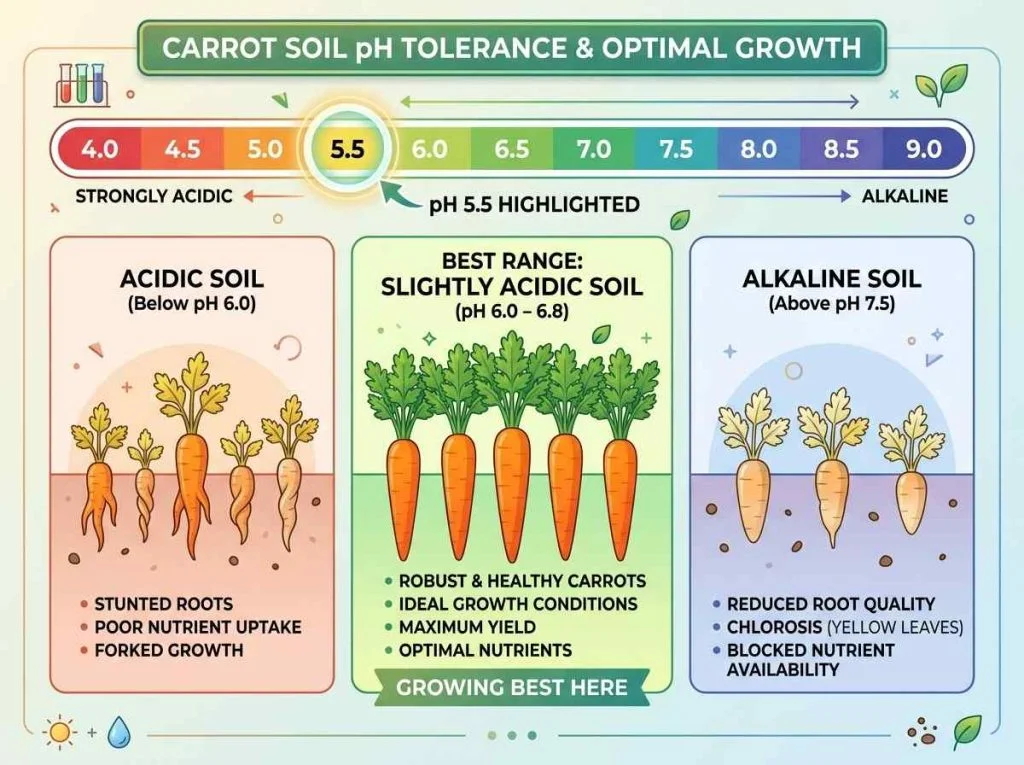
Carrots thrive best in slightly acidic to neutral soil, with an ideal pH range between 6.0 and 7.0. Within this band, essential nutrients become most available, promoting vigorous root development and sweet flavor. For gardeners working with sandy soils, maintaining this pH range is crucial since sandy soils tend to be more acidic and have limited buffering capacity. Simply planting without addressing pH issues can lead to stunted carrots with poor shape and color.
How Soil pH Affects Nutrient Availability in Sandy Soils
Sandy soils present a unique challenge due to their coarse texture and rapid drainage. When pH drifts outside the ideal range, key nutrients such as phosphorus, potassium, and calcium may become locked up or leach away quickly. For example, in acidic sandy soil, aluminum and manganese toxicity can damage carrot roots, while essential nutrients become inaccessible. On the other hand, excessively alkaline soils can limit iron uptake, causing yellowing leaves and weakening plants. Understanding this balance guides gardeners to tailor amendments effectively for maximum yield.
Testing Soil pH in Sandy Gardens
Methods for Accurate pH Measurement
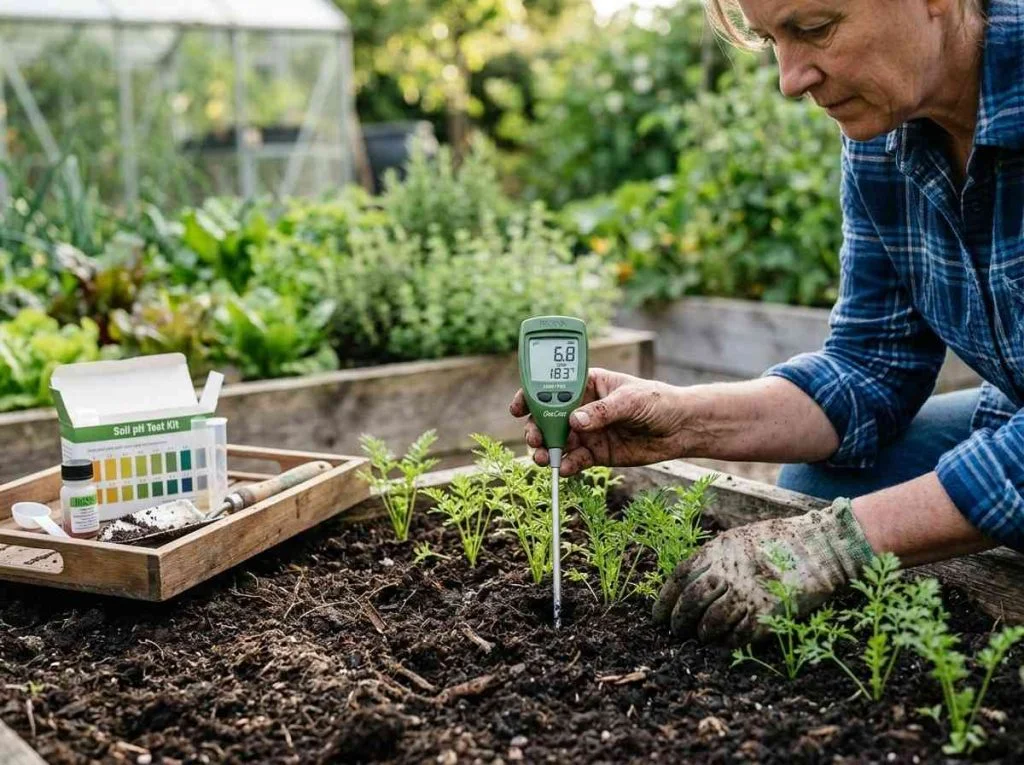
Accurate soil pH testing forms the backbone of any soil management strategy. For sandy gardens, collecting samples from the top 6 to 8 inches where carrot roots develop ensures relevant results. Simple home test kits provide a quick baseline, but for precision, using a professional lab or local extension service is advisable. These services often provide detailed reports, including lime recommendations and nutrient levels, enabling gardeners to customize their amendments. Remember to collect samples from multiple spots in the garden to get an average, as sandy soil can vary widely.
Interpreting Soil Test Results for Effective Adjustment
Once test results are available, the next step is to understand them properly. For instance, a pH of 5.5 indicates the need for lime application to raise soil pH, whereas a pH above 7.5 suggests sulfur treatments might be necessary to reduce alkalinity. Alongside pH, attention to potassium levels is essential—mature carrot leaves should have potassium content between 2.0 and 4.0%. By reading the report carefully, gardeners can avoid over-applying amendments, which may damage plants or alter soil chemistry unfavorably.
Amendments to Correct pH Levels in Sandy Soil
Choosing Between Lime and Sulfur: When and How to Apply
In sandy gardens with low pH, lime is the go-to amendment for raising pH and improving calcium availability. Application rates depend on soil tests but generally should be uniform and incorporated thoroughly into the top 6 to 8 inches. It’s best to apply lime several months before planting carrots to allow time for the soil chemistry to adjust. Conversely, if soil is too alkaline, elemental sulfur can help lower pH. Sulfur requires microbial activity to convert it into sulfuric acid, a process that takes weeks, so planning ahead is crucial. Both amendments work best when integrated during soil preparation rather than as a quick fix.
Organic Options to Modify Soil Acidity
Organic gardeners often prefer natural approaches for pH adjustment. Peat moss and pine needle mulches can gradually acidify soil if pH is too high. Conversely, incorporating well-aged compost can help buffer soil pH, stabilizing fluctuations common in sandy soils. Another organic option is to use wood ash cautiously to raise pH, bearing in mind its high potassium content. These options complement chemical amendments and improve soil structure, enhancing overall carrot health.
Soil Preparation Strategies for Optimal pH
Incorporating Organic Matter to Enhance pH Stability
Adding organic matter is a vital step in sandy soil management. Compost, aged manure, or cover crop residues bind soil particles and increase cation exchange capacity, reducing rapid pH swings. For example, one gardener noticed improved carrot uniformity after mixing 2 inches of compost into their sandy bed each season. This not only buffered pH but enhanced moisture retention essential for root growth. Organic matter also encourages beneficial microbes that mediate nutrient cycling, further stabilizing soil chemistry throughout the growing season.
Timing and Techniques for Soil Amendment Application
Applying amendments too close to planting can cause nutrient imbalances or harm seedling carrots. Ideally, lime or sulfur should be worked into the soil at least a month prior to planting, with continued addition of organic matter afterward. Banding phosphorus and potassium fertilizers before planting ensures these nutrients are readily accessible where carrot roots can reach them without the risk of leaching. Gardeners should avoid waterlogged conditions when applying amendments as this can reduce their effectiveness and promote disease.
Monitoring and Maintaining pH Throughout the Growing Season
Signs of pH Imbalance in Carrot Plants
Carrot plants themselves provide clues about soil pH health. Yellowing or chlorotic leaves may indicate iron or manganese deficiencies tied to pH imbalance, while poor root development and forked carrots often signal suboptimal soil chemistry. In sandy gardens, these symptoms can develop quickly due to fluctuating moisture and nutrient availability. Gardeners should watch their crops closely and address visual cues before major yield reduction occurs.
Step-by-Step Guide to Periodic Soil Testing
To maintain consistent pH, testing should not be a one-time event. A practical schedule is to test soil in early spring before planting, mid-season to check for shifts due to rainfall or fertilization, and post-harvest to plan for the next crop. Sampling the same spots each time allows for accurate trend analysis. Using local Extension service resources or Master Gardeners can offer interpretation support and updated recommendations tailored for sandy soils.
Case Studies: Successful pH Management in Sandy Gardens
Before and After: Real-Life Carrot Yield Improvements
Consider the story of a small-scale gardener in North Carolina who struggled with poor carrot yields due to acidic sandy soil, registering a pH close to 5.4. After a comprehensive soil test, she applied agricultural lime evenly and incorporated aged compost. Within one growing season, carrot size and sweetness improved dramatically, with yields doubling compared to previous years. She credited the timed lime application and diligent soil moisture management as key to her success.
Lessons Learned and Best Practices
From such cases, several lessons emerge. First, never underestimate the importance of uniform soil preparation—ensuring the top 30 inches are free of debris and consistently amended. Second, gradual pH adjustment avoids shocking the soil ecosystem and carrots alike. Finally, consistent monitoring, rather than reactive treatments, leads to the best long-term results. Experienced gardeners also emphasize using gradual release multi-nutrient products like Polysulphate to supply calcium and other critical nutrients steadily.
Additional Tips to Maximize Carrot Yields Beyond pH Management
Watering and Fertilization Considerations for Sandy Soils
In sandy gardens, maintaining proper moisture is a constant challenge. Carrots need consistent soil moisture especially during early root formation; too dry, and roots become woody or forked, too wet, and they suffer from rot. Using drip irrigation and mulches helps maintain even moisture levels. Fertilization should be tailored—applying one-third to one-half of phosphorus and potassium in banded applications before planting aids nutrient uptake without overwhelming seedlings. Monitoring salt concentrations is also important, as high salinity can damage delicate young carrots.
Crop Rotation and Companion Planting to Support Soil Health
Rotating carrots with legumes or cover crops improves nitrogen content and overall soil structure, indirectly supporting ideal pH and nutrient availability. Companion plants such as onions or chives can deter pests and reduce disease incidence, promoting healthier carrot growth. Integrating these cultural practices ensures that soil pH management is part of a holistic approach to a thriving sandy garden.


