

Understanding Indoor Plant Pests
Common Types of Insects Affecting Houseplants
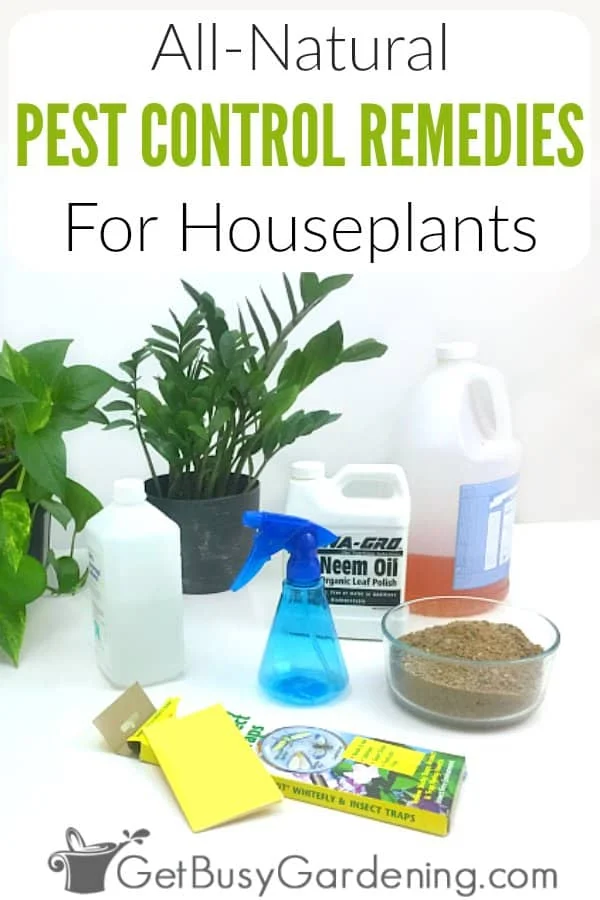
Indoor plants frequently encounter a variety of insect pests that can cause significant damage if left unchecked. Some of the most common culprits include aphids, spider mites, mealybugs, and whiteflies. Aphids are small, soft-bodied insects that cluster on new growth and can stunt plant development. Spider mites are tiny arachnids that create fine webbing and cause leaves to turn yellow or bronze. Mealybugs appear as cotton-like masses on stems and leaves, sucking plant juices. Whiteflies are minute flying insects that thrive on undersides of foliage and cause leaf yellowing and drop.
Signs and Symptoms of Pest Infestation
Detecting pests early can save your plants from severe harm. Look out for yellowing leaves, spots, and distorted growth. Sticky residues or mold on leaves can indicate honeydew secretions from aphids or whiteflies. Fine webbing suggests spider mites, while cottony clumps often mean mealybug presence. Wilting or slow growth may also hint at root or stem infestation. Recognizing these symptoms promptly helps you take targeted action before infestations worsen.
Why Choose Natural Pest Control?
Benefits Over Chemical Alternatives
Many gardeners turn to natural pest control to avoid the risks associated with chemical pesticides. Synthetic chemicals can be harsh on plants, sometimes causing leaf scorch or stunted growth. Moreover, chemical residues may accumulate indoors, potentially affecting air quality and harming beneficial insects like pollinators that inadvertently come into contact with treated plants. Natural remedies reduce these risks as they tend to be biodegradable and less toxic, offering a safer way to manage pests effectively.
Safety for Plants, Pets, and People
Natural pest control solutions are generally safer for households with children and pets. Chemical pesticides can be harmful if accidentally ingested or inhaled, while homemade remedies, when used correctly, pose fewer health hazards. Additionally, gentle soaps and oils used in natural sprays minimize damage to delicate plant tissues. However, caution is still necessary—always keep pets and children away during application, and avoid spraying in direct sunlight to prevent leaf damage. Testing any solution on a small part of the plant before full application is also recommended to ensure plant safety.
Essential Ingredients for DIY Natural Pest Remedies
Herbs and Oils with Pest-Repelling Properties
Several herbs and essential oils possess natural insect-repelling qualities. Neem oil is well-known for its effectiveness against a broad spectrum of pests, including aphids and spider mites. Garlic and chili contain compounds that deter many insects due to their strong odors and irritant properties. Other oils such as peppermint, eucalyptus, and rosemary can also disrupt pest activity and help keep plants pest-free without harmful chemicals.
Household Items That Double as Pest Control
Common household items like mild dishwashing liquid or Castile soap serve as excellent bases for natural insecticidal sprays. These soaps break down the protective coatings of soft-bodied insects, causing dehydration and death. Vegetable oil can be emulsified with soap to create a spray that suffocates pests and blocks their breathing pores. Cinnamon sprinkled on soil surfaces helps deter fungus gnats and certain soil-borne pests. These readily available ingredients provide an accessible and economical approach to pest management.
Step-by-Step Natural Pest Control Recipes
Neem Oil Spray for Aphids and Spider Mites
Neem oil is a powerful natural insecticide and works well for managing aphids and spider mites. To prepare the spray, mix 5 ml (about 1 teaspoon) of neem oil with a few drops of mild dish soap in 1 litre of water. Shake the solution well before each use to ensure proper emulsification. Spray the mixture thoroughly, focusing on the undersides of leaves where pests tend to hide. Repeat every 5 to 7 days for consistent control, always applying in the shade or cooler part of the day to prevent leaf scorch.
Garlic and Chili Insect Repellent
Combining garlic and chili creates a potent repellent against a variety of insects. Blend a few cloves of garlic and one or two chili peppers with water, then strain the mixture to remove solids. Add a small amount of liquid soap to help the solution adhere to leaves. Spray this natural repellent on affected plants, targeting pest-prone areas. The strong odor and irritant compounds discourage insects from settling while leaving your plants unharmed. Test on a few leaves first and observe for 48 hours to ensure no phytotoxic effects.
Soap and Water Solution for Mealybugs
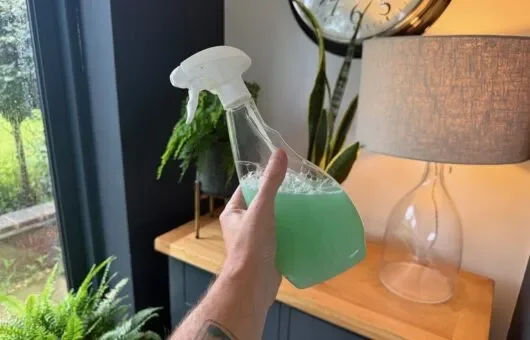
Mealybugs respond well to gentle soap sprays that disrupt their protective wax coatings. Mix 1 teaspoon of mild dishwashing liquid or Castile soap in 1 litre of water. Use a spray bottle to apply this solution evenly over the plant, paying special attention to areas with mealybug clusters. Repeat spraying every 4 to 7 days, checking for foliage damage before reapplying. Always avoid harsh detergents that could harm delicate plant tissues.
Application and Maintenance Tips
How to Properly Apply Natural Remedies
Successful pest control depends not only on the remedy used but also on its correct application. Always shake spray bottles thoroughly to ensure ingredients are well mixed. Apply sprays in the early morning or late afternoon to reduce the risk of leaf scorch under direct sunlight. Focus especially on the undersides of leaves and crevices where pests commonly hide. Allow the spray to dry naturally and avoid watering immediately after application to maximize effectiveness. Regular monitoring between treatments helps detect any new infestations early.
Preventing Recurring Pest Issues
Even after addressing an infestation, pests may return if underlying conditions favor their growth. Avoid composting infested leaves to prevent spreading pests. Keep your plants healthy by providing appropriate light, water, and nutrients, as strong plants are less vulnerable to attacks. Rotate or tailor homemade sprays to suit the specific needs of your plants, whether they are succulents, houseplants, or vegetables. Maintaining cleanliness and isolating new plants before introducing them to your collection can also reduce pest introduction risks.
When to Seek Professional Help
Natural pest control is effective for many common indoor plant insects, but some infestations may become severe or resistant to DIY treatments. If you notice extensive plant damage, rapid pest population growth, or symptoms that do not improve after multiple applications of natural remedies, it may be necessary to consult a professional. Trained pest control experts can diagnose complicated issues and provide targeted solutions, ensuring the long-term health of your indoor garden.
Additional Resources and Tools for Pest Management
To enhance your natural pest control efforts, consider investing in tools like magnifying glasses for close inspection and fine-mist spray bottles for even application. Gardening forums and local horticultural extension services can be invaluable sources of advice tailored to your region. Books and online guides focused on organic gardening also offer detailed recipes and troubleshooting tips. Combining knowledge with the right tools empowers you to maintain pest-free indoor plants efficiently and safely.


