

Understanding the Basics of Backyard Composting
What is Composting and Why It Matters
Composting is a natural process where organic waste, such as kitchen scraps and yard debris, breaks down into nutrient-rich soil amendments. This technique mimics the earth’s own recycling system, turning what would otherwise be landfill waste into a valuable resource. The significance of composting goes beyond waste reduction; it plays a crucial role in environmental conservation by minimizing methane emissions from landfills and reducing the need for synthetic fertilizers in gardening.
Essential Ingredients for Effective Compost
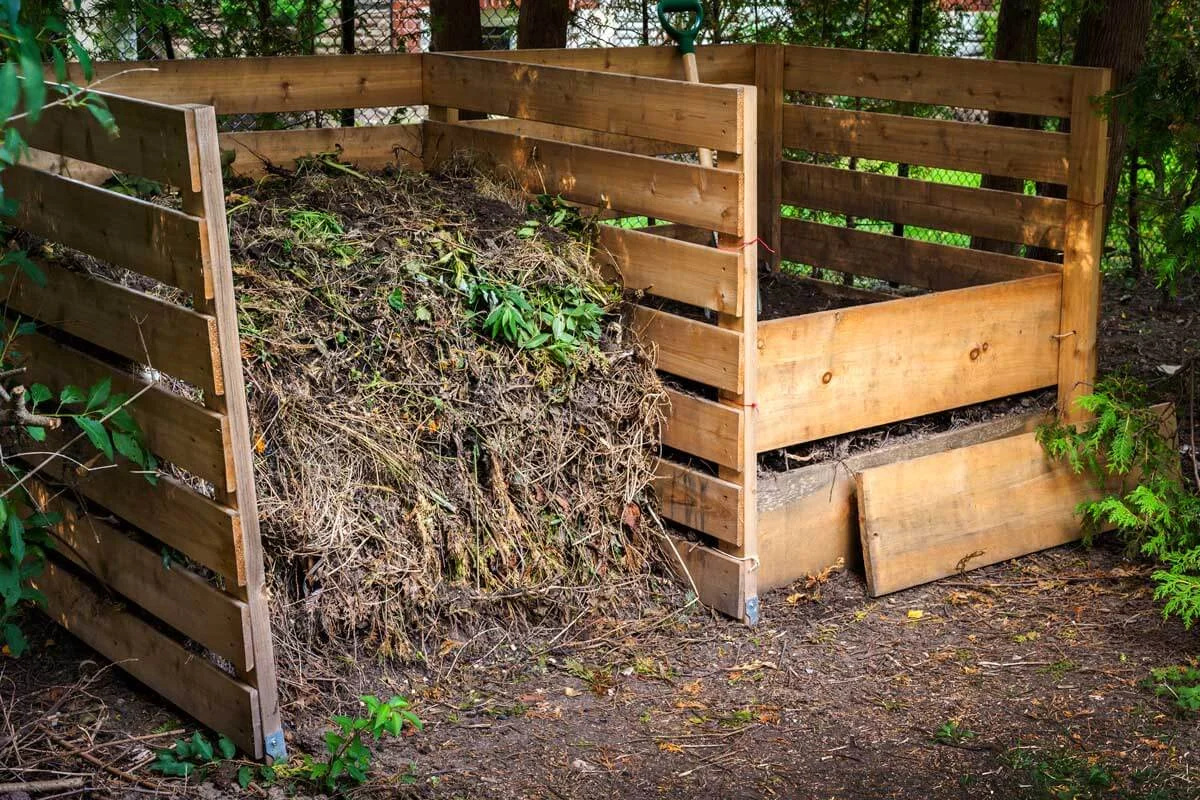
To create healthy compost, balance is key. Composting requires a mix of “greens” and “browns.” Greens are nitrogen-rich materials like fruit and vegetable scraps, coffee grounds, and fresh grass clippings. Browns, on the other hand, provide carbon and include dried leaves, twigs, and shredded paper. Proper layering of these ingredients ensures that the microorganisms responsible for decomposition thrive. In addition, moisture and oxygen must be maintained to keep the compost active and odor-free.
How Composting Enhances Soil Quality
Compost improves soil health by enriching it with essential nutrients and beneficial microbes. These microbes help break down organic matter in the soil, making nutrients more accessible to plants. Furthermore, compost increases soil structure, water retention, and aeration, which are vital for root development. By enhancing the soil naturally, gardeners see stronger, healthier plants, reducing the need for chemical interventions.
Top DIY Composting Systems for Home Gardens
Simple Compost Bin Construction Using Recycled Materials
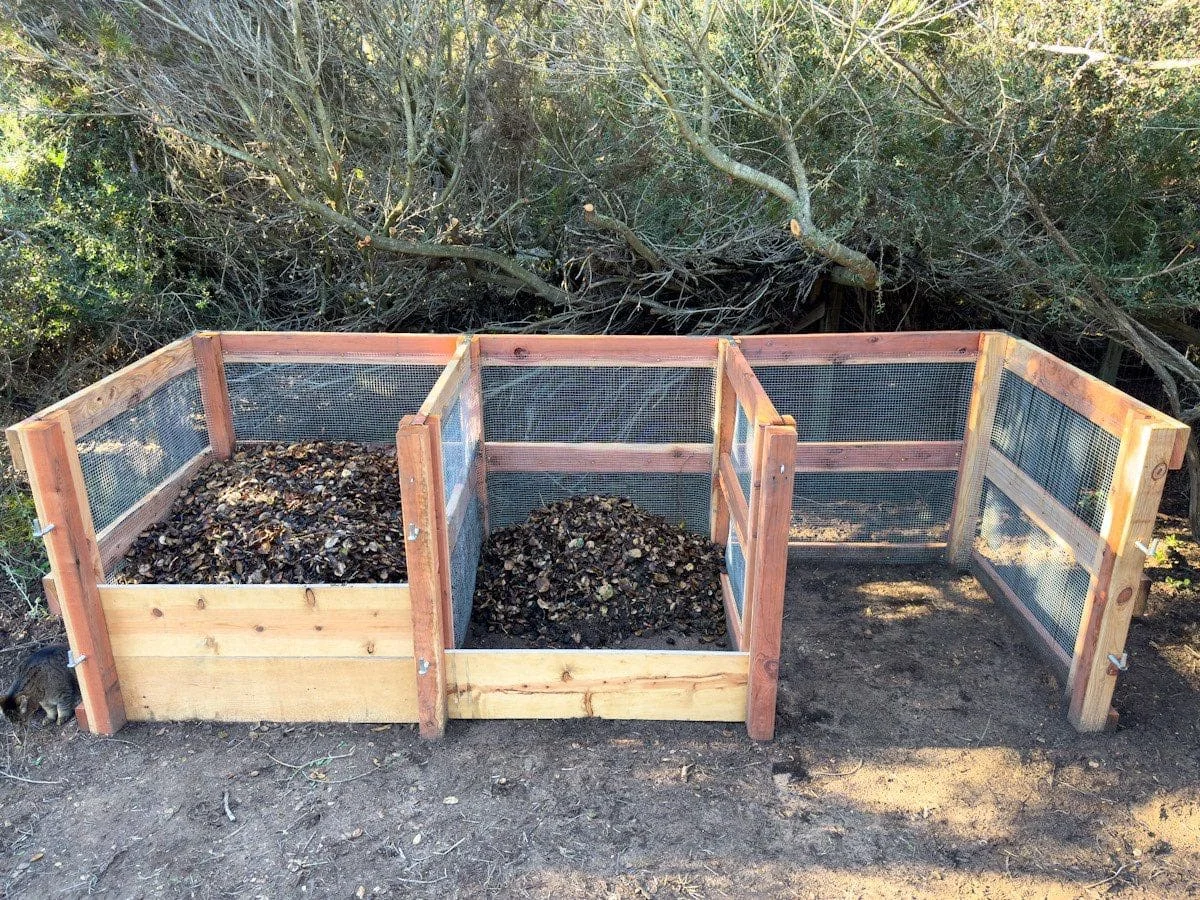
One of the easiest ways to start composting at home is by building a simple compost bin from recycled materials such as wooden pallets, wire mesh, or old plastic crates. These materials are cost-effective and can be transformed into functional bins that contain compost while allowing airflow. Choosing materials with gaps or holes ensures good ventilation, which is necessary for aerobic decomposition. Securing the structure firmly is important to prevent pests and to maintain a tidy garden space.
Building a Compost Tumbler for Faster Decomposition
For gardeners looking to speed up the composting process, a compost tumbler offers an effective solution. This enclosed drum can be rotated regularly to mix the composting materials thoroughly, enhancing oxygen flow and accelerating breakdown. Tumblers help maintain uniform moisture and temperature, reducing common issues like odor and pest attraction. While they require a bit of investment and setup, the convenience and efficiency make them popular for small backyards.
Vermicomposting: Using Worms to Enrich Your Soil
Vermicomposting involves harnessing the power of red worms to decompose organic waste. This method is ideal for limited spaces or indoor composting. Worms consume kitchen scraps and produce castings, a highly potent natural fertilizer. Setting up a worm bin requires attention to moisture, temperature, and feeding schedules. The process is gentle and odorless when managed correctly, making it a practical choice for households new to composting or those with close neighbors.
Step-by-Step Guide to Starting Your Compost System
Choosing the Right Location in Your Backyard
Begin by selecting a well-drained, shaded area in your yard to place your compost system. The spot should be easily accessible for adding scraps and turning the pile, but not too close to the house where odors might become a nuisance. Ideally, it’s best to place the compost bin on bare soil to allow beneficial organisms to enter and contribute to the process. Avoid low-lying spots prone to waterlogging to maintain proper moisture balance.
Collecting and Preparing Compostable Materials
To start your pile, gather fruit and vegetable scraps, coffee grounds, and garden waste, while setting aside carbon-rich items like dry leaves and small twigs. Keep a closed container in the kitchen for storing scraps until you can transfer them outdoors, which helps control smells and pests. Before adding scraps to your compost, consider cutting or shredding them into smaller pieces. This preparation speeds decomposition by giving microorganisms a larger surface area to work on.
Managing Moisture, Aeration, and Temperature
Maintaining the right balance of moisture is crucial—your compost should feel like a damp sponge, not soaking wet or bone dry. Regularly turning or mixing the pile introduces oxygen that supports aerobic bacteria responsible for breaking down materials efficiently. Additionally, monitoring temperature is helpful; a well-tended compost can reach 130° to 160° Fahrenheit, which not only speeds up decomposition but also kills pathogens and weed seeds. Tools such as compost thermometers can be valuable for this task.
Tips for Maintaining and Troubleshooting Your Compost
How to Recognize and Fix Common Composting Problems
At times, compost piles may develop unpleasant odors, attract unwanted pests, or decompose slowly. These issues often indicate imbalances in moisture, material types, or airflow. If odors arise, it usually means the pile is too wet or lacks sufficient browns to absorb excess moisture. Adding dry leaves or shredded paper and mixing the pile can restore balance. When pests become an issue, ensure food scraps are well covered by browns and avoid adding meat or dairy. Slow decomposition typically points to poor aeration or cold temperatures, prompting more frequent turning and relocation to a warmer spot if needed.
Seasonal Care and Adjustments for Optimal Results
Seasonal changes affect composting activity. In colder months, microbial activity slows, so insulating the pile with straw or moving the bin to a sunnier location can help maintain heat. During dry seasons, additional watering might be necessary to keep materials moist. Conversely, heavy rains require covering the compost with a tarp to prevent waterlogging. Understanding these seasonal variations ensures your compost system produces rich soil amendment year-round.
Benefits of Using Homemade Compost in Your Garden
Improving Soil Structure and Fertility Naturally
Applying homemade compost to your garden enhances soil texture and fertility without relying on synthetic chemicals. Compost improves the soil’s ability to retain water and nutrients, reducing the need for frequent watering and fertilizing. It fosters a healthy root environment that supports resilient plant growth and increases crop yields. Over time, regular compost addition rebuilds soil organic matter, restoring degraded or poor-quality soils.
Reducing Waste and Supporting Sustainable Gardening
By composting at home, gardeners significantly cut down on organic waste that would otherwise contribute to landfill problems. This practice embodies sustainable gardening principles, promoting recycling and conservation. Composting also lowers your environmental footprint by reducing reliance on store-bought fertilizers and minimizing packaging waste. Engaging in backyard composting turns gardening into an eco-friendly cycle of nourishment and renewal.
Inspiring Backyard Composting Success Stories
Real-Life Examples of Transforming Soil Quality
Across neighborhoods and communities, many gardeners have witnessed remarkable changes by incorporating homemade compost. For instance, a small urban garden once struggling with compacted, nutrient-poor soil was transformed into a lush vegetable patch simply by consistently adding compost every season. The improved soil structure allowed roots to grow deeper and retained moisture more effectively, resulting in healthier plants and better harvests.
Lessons Learned and Expert Advice from Gardeners
Experienced composters emphasize patience and observation as keys to success. One expert recommends paying close attention to the balance of greens and browns and encourages regular turning to maintain oxygen flow. Another gardener advises new composters to start small and gradually increase volume as they learn. Collecting scraps consistently and protecting the pile from extreme weather conditions were noted as essential practices. Taking these lessons to heart can help beginners avoid common pitfalls and build sustainable composting habits.


