

Understanding Tomato Plant Water Needs in Containers
Growing tomatoes in containers requires a clear understanding of their specific water needs. Unlike garden beds, containers limit the space for roots and moisture retention, which affects how often and how much you should water. The confined soil space means water evaporates and drains faster, making vigilance crucial to maintain steady moisture levels. Proper watering ensures your tomato plants remain healthy, producing flavorful fruits while avoiding stress linked to irregular watering.
How Container Size Affects Water Retention
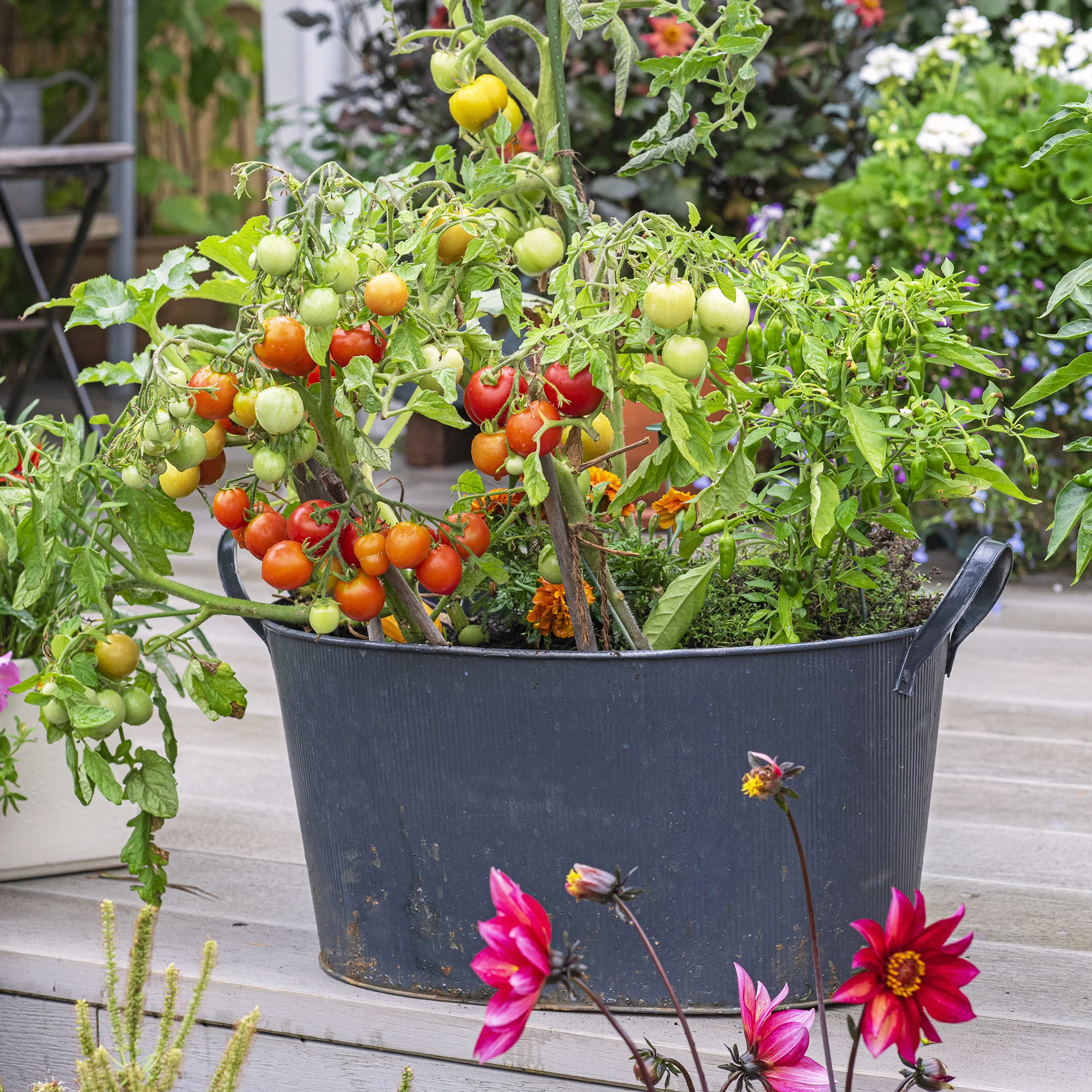
Container size plays a fundamental role in water retention for tomato plants. Smaller containers dry out quickly because they hold less soil and therefore less moisture. This can lead to frequent watering needs, which might be challenging for consistent care. In contrast, larger containers retain water longer due to the increased soil volume, providing more buffer against drying. However, large pots require heavier watering sessions to penetrate deeply and reach all root zones. Understanding this balance helps in planning your watering routine effectively.
Signs of Underwatering and Overwatering
Recognizing the symptoms of improper watering is key to adjusting your care technique. Underwatered tomato plants often show wilted, dry leaves and stunted growth because the roots cannot absorb enough moisture. On the other hand, overwatering can cause yellowing leaves, root rot, and poor fruit development due to excessive moisture stress and poor aeration. Observing these signs early allows gardeners to intervene and modify watering practices to maintain plant health.
Choosing the Right Watering Techniques
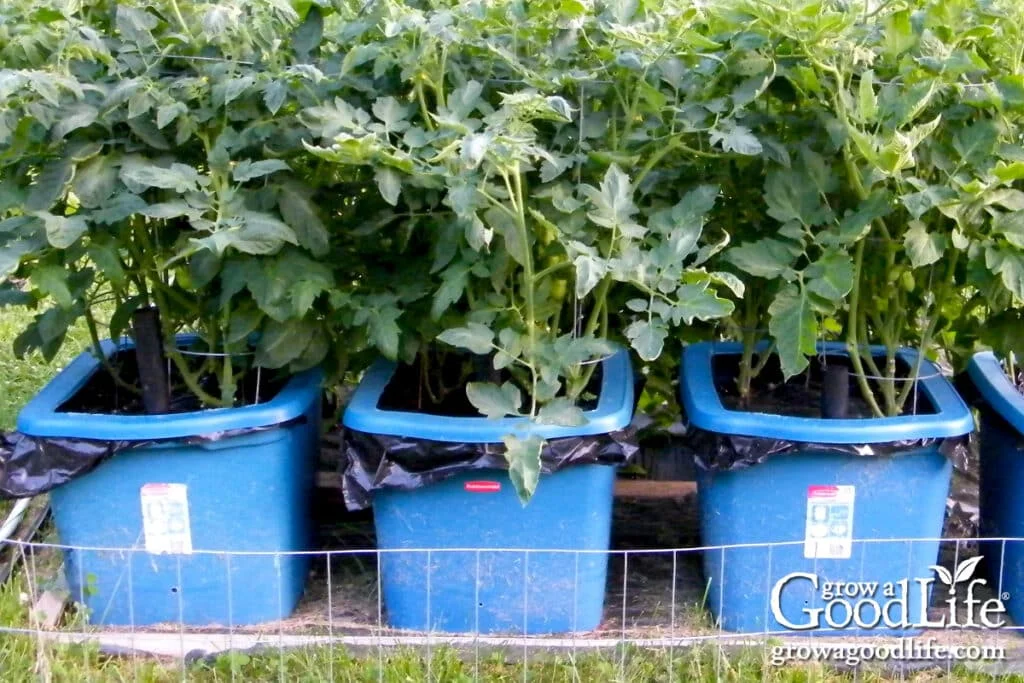
Selecting the correct watering method significantly influences the health and productivity of container-grown tomatoes. Tomatoes thrive with consistent moisture delivered directly to the root zone, avoiding wetting the foliage excessively to reduce the risk of fungal issues.
Top Watering Methods for Container Tomatoes
Hand watering remains one of the simplest and most flexible options. It allows you to control the amount and focus water directly on the soil surface. However, it requires regular attention and may be less convenient for multiple containers or busy schedules. Alternatively, using drip irrigation systems provides a steady supply of water at soil level, minimizing evaporation losses and waste.
Advantages of Drip Irrigation vs. Hand Watering
Drip irrigation offers precise watering, delivering moisture slowly and consistently which promotes better root absorption. This method reduces water runoff and keeps foliage dry, lowering disease risk. While the initial setup requires some investment and planning, drip systems save time by automating routine watering. On the other hand, hand watering provides immediate feedback on plant condition and soil moisture but depends on daily gardener attention, which can be a limitation during busy or travel periods.
Optimal Watering Schedule for Different Growth Stages
Watering needs fluctuate throughout the tomato plant’s life cycle, and adapting your schedule accordingly ensures optimal growth and fruit development.
Seedling Phase Watering Tips
During the seedling stage, tomato plants have delicate roots that require gentle, consistent moisture. Soil should remain moist but not soggy, as excessive water can cause damping-off diseases. Watering in small, frequent amounts helps maintain this balance, encouraging steady root establishment and preventing premature drying or waterlogging.
Maintaining Consistency During Fruiting
Once fruit sets, consistency in watering becomes even more critical. Fluctuations in soil moisture can lead to problems like blossom end rot or fruit cracking. Deep, thorough watering encourages strong root systems capable of supporting fruit development. A steady schedule, typically every one to two days depending on container size and climate, helps maintain stable moisture without stressing the plant.
Soil and Mulch: Enhancing Water Efficiency
The medium in which tomatoes grow profoundly influences watering effectiveness. Choosing the right soil mix and applying mulch can greatly improve water retention and plant health.
Best Soil Mixes for Water Retention
Using a high-quality potting mix designed for containers aids in holding moisture while providing adequate drainage. A balanced mix that includes peat moss, coconut coir, and perlite offers good aeration along with moisture retention. Avoid dense or garden soil alone, as it can compact and hinder water absorption, accelerating drying and root stress.
Mulching Strategies to Reduce Evaporation
Adding mulch on top of the soil surface helps reduce evaporation and keeps moisture available longer. Organic mulches like straw, shredded leaves, or bark chips create a barrier against heat and wind, which are major factors in water loss. Mulching also moderates soil temperature, supporting healthy root function especially during hot weather.
Common Watering Mistakes and How to Avoid Them
Even experienced gardeners can fall into pitfalls that affect tomato plant health. Being aware of these mistakes allows for better water management and more successful growth.
Impact of Watering at the Wrong Time of Day
Watering tomatoes late in the day or at night can leave foliage wet for extended periods, encouraging fungal infections. Early morning watering is ideal as it allows leaves to dry quickly, reducing disease risk and promoting stronger plants. Additionally, morning watering aligns with the plant’s natural uptake cycle, supporting effective water absorption.
Detecting and Responding to Root Problems
Symptoms such as yellowing leaves, wilt despite moist soil, or poor growth can indicate root issues often caused by overwatering or poor drainage. Investigating the root zone and adjusting watering frequency, improving soil aeration, or repotting with fresh soil may be necessary steps to remedy these problems and restore plant vigor.
Advanced Tips for Experienced Container Gardeners
For gardeners looking to refine their tomato cultivation, employing technology and integrated techniques can elevate watering practices to a new level of precision and convenience.
Using Sensors and Timers for Precision Watering
Soil moisture sensors linked to timers allow automated watering based on actual soil conditions rather than fixed schedules. This technology helps prevent both underwatering and overwatering by delivering water only when necessary. This precise control promotes healthier plants and conserves water, particularly important in container gardens where moisture levels can change rapidly.
Integrating Fertigation into Your Watering Routine
Fertigation, the process of delivering nutrients through irrigation water, streamlines feeding and watering simultaneously. Combining slow-release nutrients in watering systems ensures roots receive consistent nourishment alongside moisture, supporting sustained growth and fruit production. However, this approach requires careful planning to avoid nutrient imbalances or salt buildup in the container medium.


