

Introduction to Modern Minimalist Decor in Small Living Rooms
Defining Modern Minimalism
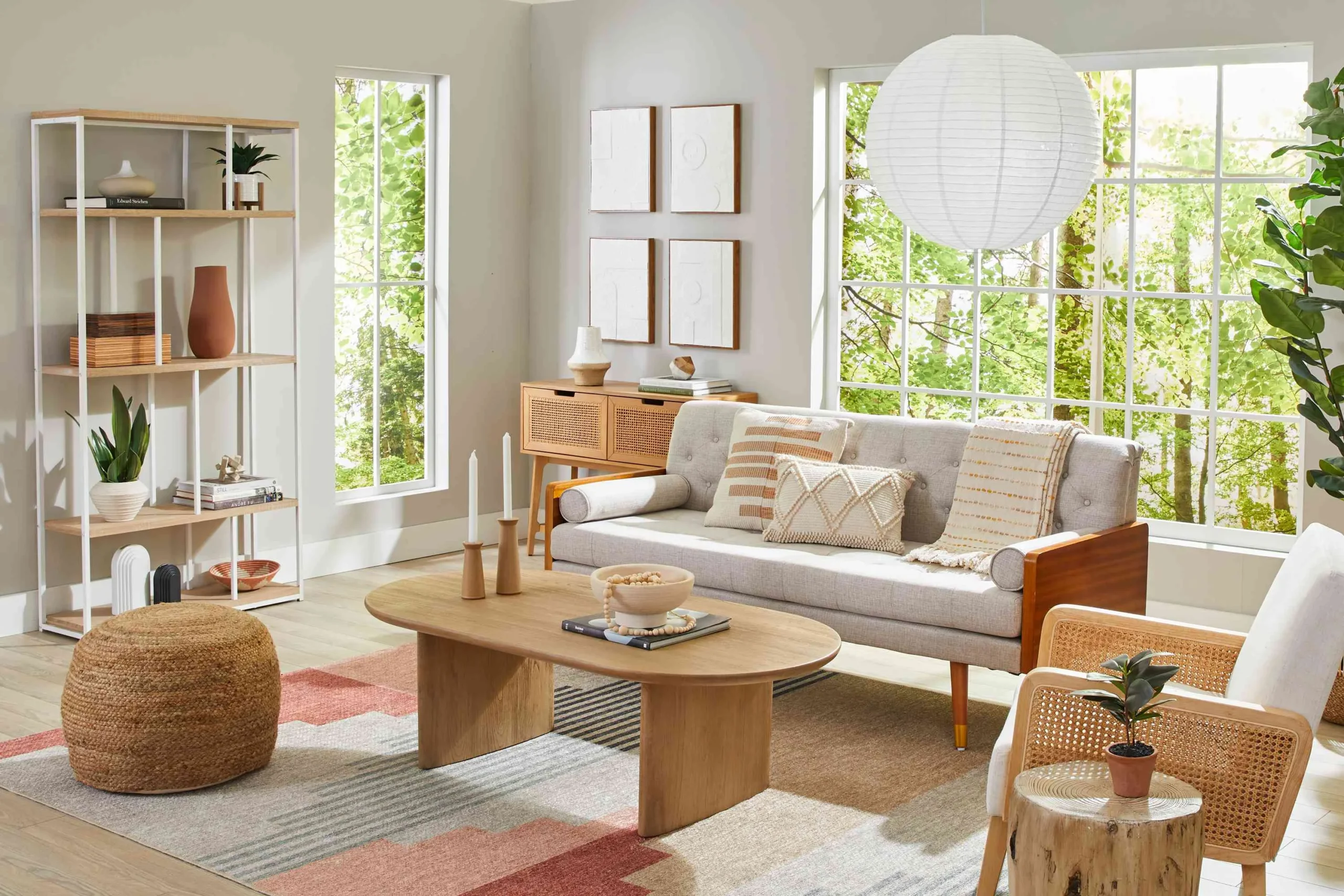
Modern minimalist decor is all about simplicity with intentionality. It embraces clean lines, uncluttered spaces, and a focus on functional beauty. Instead of filling the room with numerous decorative items, minimalist design carefully chooses a few key pieces that offer both style and purpose. The result is a serene, balanced environment that feels curated rather than crowded.
Why Minimalism Works for Small Spaces
Small living rooms benefit immensely from minimalist principles because the less-is-more approach creates an illusion of openness. When space is limited, too much furniture or decor can quickly feel overwhelming and cramped. Minimalism removes the excess weight, allowing each item to breathe and contribute to the overall harmony. It’s about maximizing utility without sacrificing warmth or personality.
Key Principles of Maximizing Space
Decluttering and Essentialism
The foundation of maximizing a small living room lies in decluttering. This means choosing only the essentials and letting go of anything that doesn’t serve a clear purpose or bring joy. By avoiding unnecessary knick-knacks and over-accessorizing, the space feels lighter and more inviting. Essentialism helps to clarify what truly belongs in the room, so every piece can shine rather than compete.
Choosing Functional Furniture
Functional furniture is a game-changer in small spaces. Pieces that double up—like sofa beds, storage ottomans, or foldable tables—help you make the most of the square footage available. But beyond functionality, the scale and proportion matter too. Opt for low-slung sofas to give the illusion of taller ceilings and keep bulky armchairs out of the mix to maintain flow. Each piece should earn its place by multi-tasking where possible.
Using Light and Color to Expand Space
Light is your best friend when it comes to small rooms. A well-lit space instantly appears larger and more open. Incorporate natural light wherever possible by placing seating near windows and avoiding heavy drapes. Light-colored walls and textiles, especially rugs, also contribute to a spacious feel. A tonal palette using varying shades of the same color can create depth while maintaining cohesiveness, preventing the room from feeling fragmented or busy.
Furniture Selection and Placement Strategies
Multi-Functional Pieces
Furnishing a small living room requires thoughtful choices. Multifunctional pieces like nesting tables or a media console with extra storage help keep clutter at bay. Transparent furniture such as lucite coffee tables offers a lighter visual footprint, preventing the room from feeling crowded. Remember, every item should ideally serve more than one purpose to preserve precious space.
Optimizing Layout for Flow and Space
The arrangement of furniture can make or break a small space. Avoid crowding by leaving clear pathways and positioning larger furniture near natural light sources to enhance openness. Don’t be afraid to push pieces against walls to free up floor area, but also consider floating furniture when it improves flow. Proper scale is crucial; too many smaller items can visually fragment the room, while one or two anchor pieces can provide cohesion without overwhelm.
Vertical Storage Solutions
When floor space runs out, look upward. Vertical storage like tall shelving units or recessed wall niches can extend usable space without encroaching on the living area. This is especially effective for books, decorative objects, or electronics. Utilizing vertical space keeps surfaces clear and maintains a clean, open feel, which is essential in minimalist design.
Decor Elements That Enhance Space
Minimalist Color Palettes and Textures
A calm and cohesive color palette is vital in creating a sense of flow in a small living room. Sticking to about three shades of the same color spread across walls, furniture, and decor creates harmony. Layering textures, such as soft cushions, woven throws, and sleek reflective surfaces, adds warmth and interest without overwhelming the eye. Glass or porcelain vases offer tall, clean lines that contribute to a minimalist yet inviting vibe.
Lighting Techniques to Create Openness
Layered lighting is something many overlook but is crucial in making the space feel airy and large. Combine natural light with well-placed table lamps, floor lamps, and subtle ceiling fixtures. Using fixtures that blend with the decor rather than dominate it lends to a serene atmosphere. Avoid harsh, overhead lighting in favor of softer, diffused options that create depth and warmth.
Incorporating Mirrors and Reflective Surfaces
Mirrors are a classic small space secret. Strategically placed, they bounce light around the room and create the illusion of added depth. Reflective surfaces like glass tabletops or metallic accents help catch and amplify light without cluttering the room. Pairing these with textured elements ensures the room remains cozy rather than feeling cold or sterile.
DIY Tips for Personalized Minimalist Decor
Upcycling and Customizing Furniture
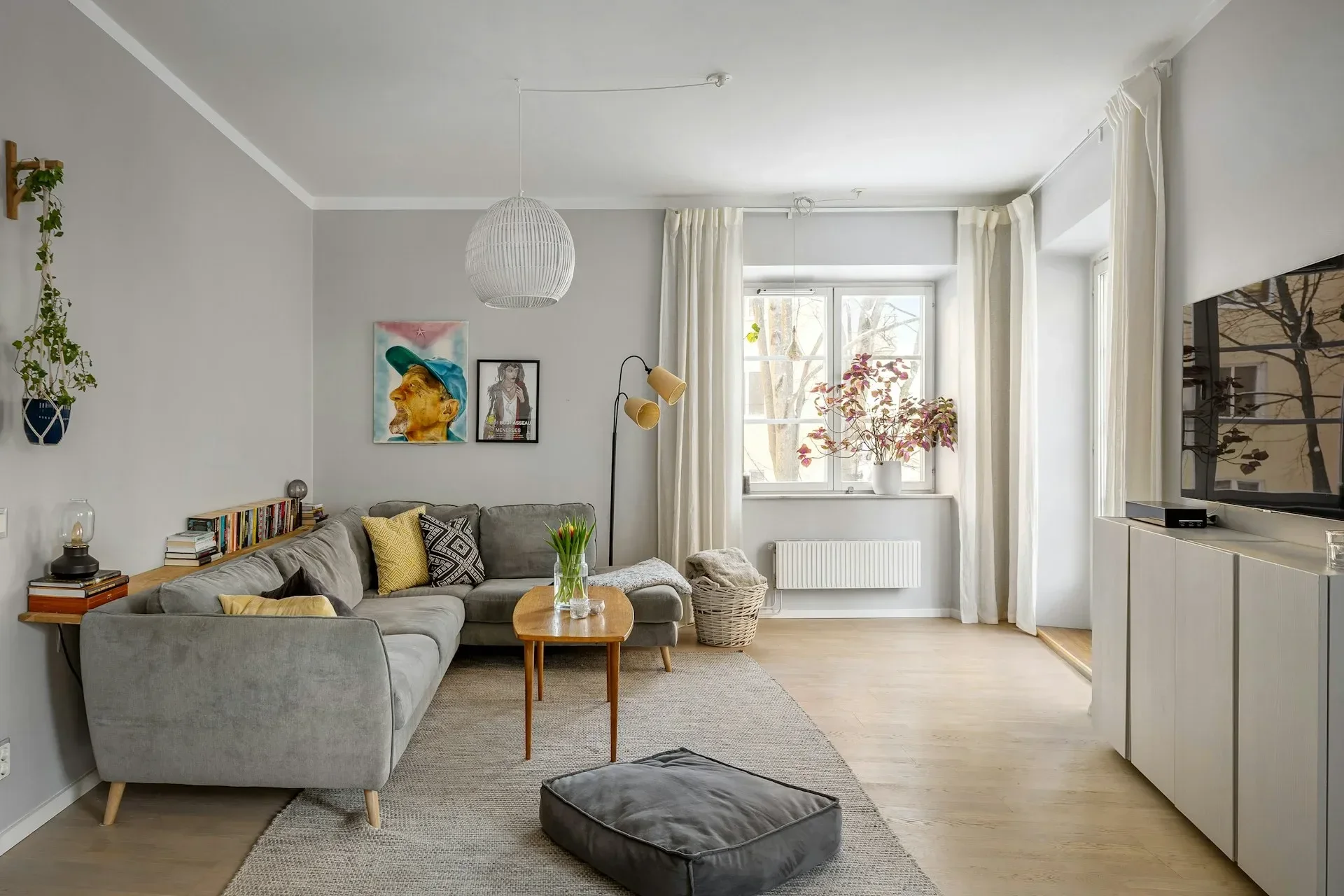
DIY can be an excellent way to tailor minimalist decor to your exact needs while adding character. Consider upcycling old furniture with a fresh coat of light-colored paint or sanding wood to reveal natural textures. Customizing a multi-functional piece to suit your storage or seating needs helps keep the space unique and purposeful.
Creating Simple Art and Accents
Simple, hand-crafted art can add life without overwhelming a minimalist room. Salon-style arrangements of a few well-chosen pieces echo design motifs throughout the space and create a subtle narrative. Even curated books and personal objects placed thoughtfully on tables enrich the room’s personality while preserving its open, airy feel.
Case Studies: Successful Small Living Room Makeovers
Before and After Examples
Many small living room transformations highlight the power of minimalist design. In one example, a cluttered, multi-colored room was stripped down to a tonal white and beige palette. Large bulky furniture gave way to a low-slung sofa and acrylic tables, opening sight lines and boosting natural light. Vertical shelving replaced scattered storage, and reflective surfaces added depth. The result was a calm, inviting space that felt twice as large.
Lessons Learned and Takeaways
The key lesson from successful makeovers is that restraint and intentionality create magic in small spaces. Avoiding overcrowding and clutter, choosing multifunctional and scaled furniture, and layering textures with a cohesive color scheme all play vital roles. Personal touches matter, but they need to be curated carefully to maintain flow and warmth. With thoughtful planning, even the tiniest living room can feel open, stylish, and welcoming.


