

Why Seasonal Clothing Rotation Matters
The Benefits of Organized Wardrobes
Having a wardrobe that adapts to the seasons can significantly enhance your daily routine. Rotating seasonal clothing keeps your closet neat and manageable, preventing overcrowding and making it much easier to find what you need. When clothes are stored properly according to the season, they maintain their shape and quality longer. This reduces wear and tear from unnecessary handling and clutter, helping you protect your investment in quality garments.
Common Challenges with Seasonal Storage
Despite these benefits, seasonal clothing rotation often poses several challenges. Limited storage space, especially in small homes, can make it difficult to store off-season clothes without creating clutter. Improper storage methods may lead to damaged fabrics, unwanted odors, or insect infestations. Additionally, many people procrastinate rotating clothes due to the effort involved, leading to overcrowded closets all year round. Understanding these issues helps tailor practical storage solutions that truly work.
Choosing the Right Under-Bed Storage Options
Types of Under-Bed Storage Containers
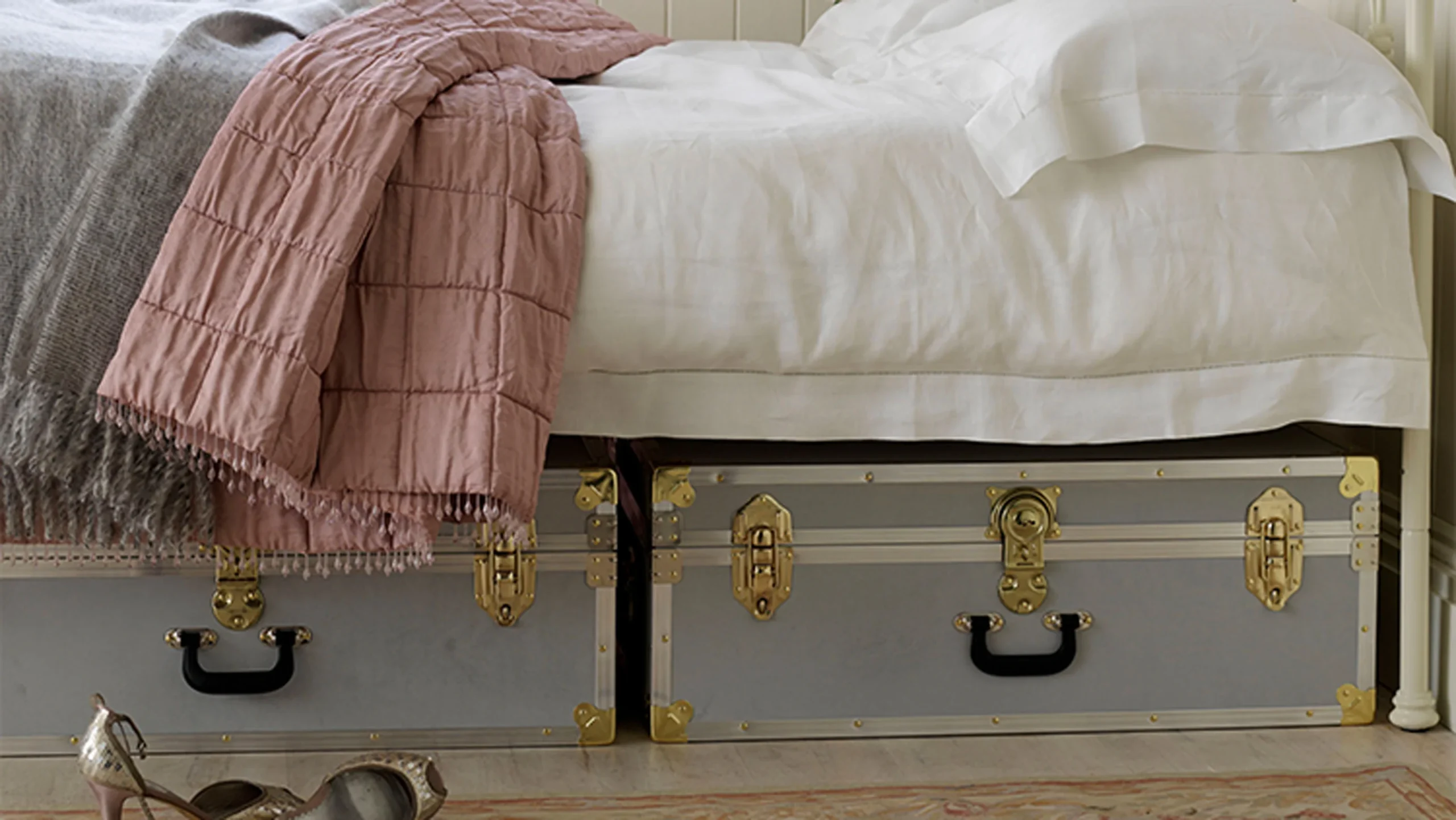
Under-bed storage offers a clever way to utilize often neglected space. Various container types are available, each suited to different needs. Plastic bins provide sturdy, stackable solutions that often come with lids to keep dust and moisture out. Fabric storage bags are lightweight and flexible, ideal for softer items like sweaters or scarves. Rolling drawers can integrate smoothly under bed frames with clearance, allowing easy access to stored clothing without heavy lifting.
Materials and Durability Considerations

Selecting materials that withstand seasonal shifts and frequent use is essential. Plastic containers with airtight seals protect against humidity and pests, which is especially important in damp climates. Fabric bins made of breathable canvas or linen are preferable for delicate fabrics to prevent mildew and fabric degradation. When choosing storage options, consider your bed’s height clearance and the ease of access to avoid frequent exhaustion during seasonal rotations.
Maximizing Space: Creative DIY Under-Bed Storage Ideas
Repurposing Everyday Items for Storage
For those looking to save money or personalize their storage, repurposing household items offers innovative alternatives. Old shoe boxes can be transformed into compartmentalized organizers for smaller accessories like gloves or hats. Sturdy cardboard boxes wrapped in decorative fabric bring a stylish yet functional element to under-bed storage. Even unused drawers from discarded furniture can be cleaned and slid under the bed, creating practical pull-out storage without extra expense.
Custom Storage Solutions Tailored to Your Bed Frame
In some cases, customizing storage to fit around your specific bed frame provides the best use of space. Building shallow wooden boxes on wheels that precisely match the bed’s dimensions ensures maximum capacity while maintaining accessibility. Adding labels or handles to these boxes simplifies identification and retrieval. Custom cushions with hidden storage compartments underneath also serve dual purposes, combining seating and clothing storage efficiently.
Step-by-Step Guide to Rotating Seasonal Clothing Efficiently
Preparation: Sorting and Cleaning
Effective rotation begins with careful sorting and cleaning. Start by taking out all off-season clothes and assessing each piece for wear or damage. Laundry or dry cleaning before storage removes stains and prevents odors from setting. Sorting garments by type and fabric helps determine the best storage method for each. Donating items you no longer wear during this process avoids clutter build-up and maintains a manageable wardrobe.
Storing Clothes to Protect From Damage
Proper storage prevents fabric damage and helps maintain garment shape. Puffy or fluffy items like down jackets should be hung in protective garment bags to avoid compression and damage. Cotton clothes benefit from vacuum-sealed bags or clear, weathertight bins that guard against moisture and dust. Delicate materials such as silk, cashmere, and wool require storage in breathable canvas or linen bins with acid-free tissue paper for added protection. For leather jackets, stuffing sleeves with acid-free paper and wrapping zippers prevents scuffing and preserves their form.
Tips for Easy Access and Maintenance
Maintaining organization after packing is crucial for hassle-free seasonal swaps. Using transparent containers or labeling opaque bins clearly saves time when locating specific items. Keeping an inventory list, either digitally or on paper, helps track what’s in storage and prevents unnecessary repeated searches. Schedule regular checks to refresh air and ensure stored clothes remain in good condition. Setting dates to rotate clothing proactively can eliminate the procrastination trap often associated with seasonal changes.
Additional Tips for Maintaining a Clutter-Free Wardrobe
Seasonal Decluttering Strategies
Decluttering on a seasonal basis not only improves your wardrobe but also your mindset. Prioritize removing unworn or outdated items before storing to reduce volume and keep your clothing relevant. Scheduling donation pickups or making donation lists ahead of time helps overcome procrastination, ensuring your decluttering efforts lead to actual action. This step prevents unnecessary accumulation and keeps your spaces inviting and functional.
Using Labels and Inventory Lists
Labels and inventory lists are practical tools that simplify long-term management. Clear labeling of under-bed containers allows quick identification without unpacking. Combining this with a simple inventory list—detailing item types and quantities—adds an extra layer of organization. This system reduces time spent searching and keeps you aware of your clothing assets, making future rotations and wardrobe planning more efficient and less stressful.


