

Understanding the Minimalist Workspace
Defining Minimalism in the Office Environment
Minimalism in the office setting is about simplifying the workspace to only include items that are truly necessary and contribute to productivity. This approach removes distractions and excess belongings, creating an environment focused on functionality and clarity. It’s not about having fewer items for the sake of scarcity, but about making intentional choices to keep the workspace clean, organized, and conducive to efficient work.
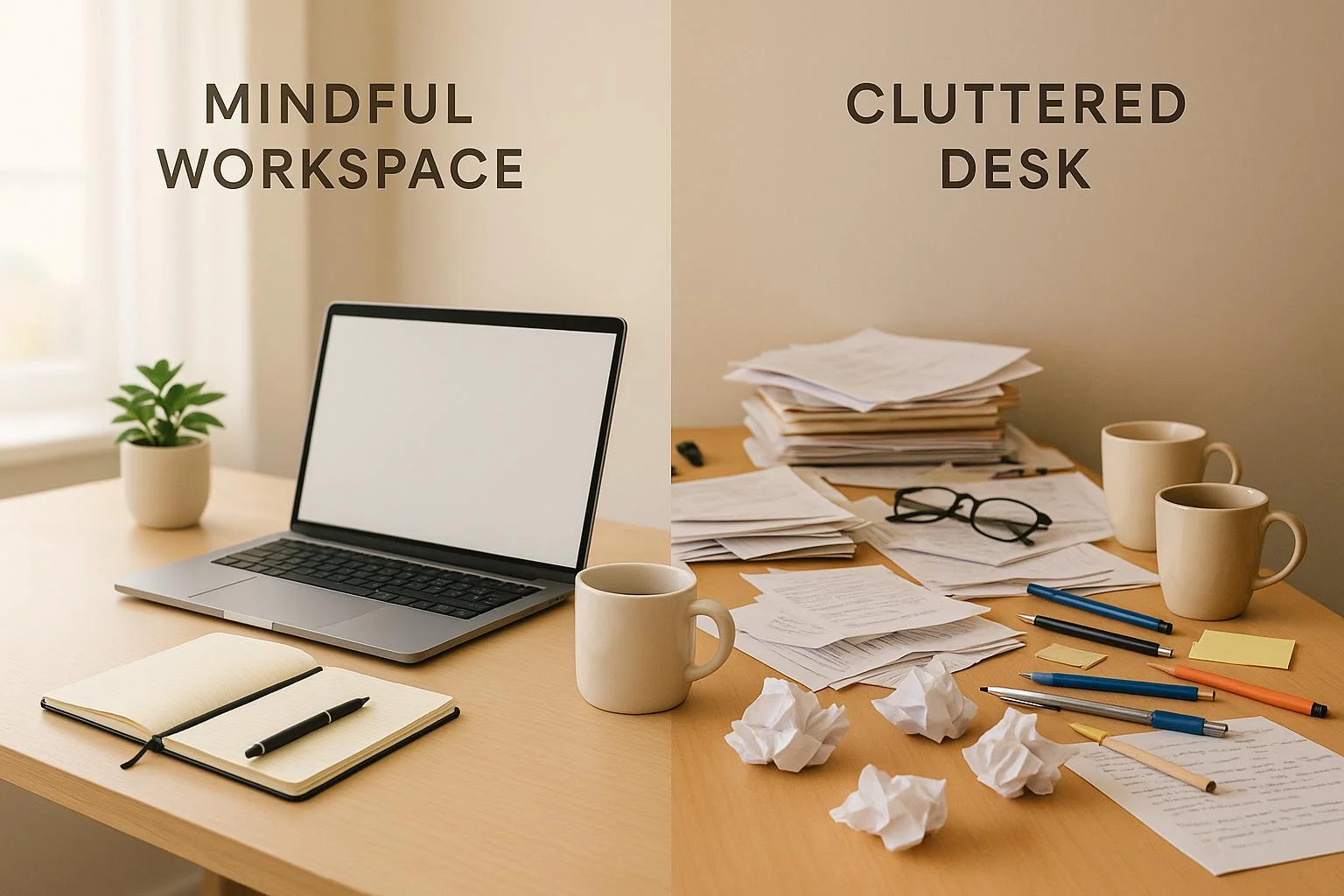
Psychological Benefits of a Clutter-Free Desk
A clutter-free desk can positively impact mental well-being by reducing feelings of overwhelm. When the visual field is clear, the brain doesn’t have to process competing stimuli, which can lower stress levels and promote calmness. This clarity allows for improved focus and decision-making. Additionally, a minimalist workspace often fosters a sense of control and order, which can translate into greater motivation and satisfaction during work hours.
Step-by-Step Guide to Creating Your Minimalist Workspace
Assessing and Decluttering Your Current Setup
The first step is to take a careful inventory of your current desk setup. Begin by identifying what items are genuinely useful versus those that contribute to clutter. Overwhelming piles, frequent misplacements, and visual distractions are clear signs of disorganization. Start by clearing the desk surface and sorting items into categories such as keep, donate, or discard. This process allows you to ruthlessly declutter and creates space to work more effectively.
Choosing Essential Tools and Furniture
Once decluttering is complete, select only the essentials that support your workflow. Essential items often include a stapler, file folders, digital devices, and practical desk organizers. Pairing your desk with an ergonomic chair plays a key role in maintaining comfort and reducing physical stress during long working hours. Thoughtful furniture choices make a big difference in sustaining a minimalist setup that supports productivity and well-being.
Organizing for Maximum Efficiency
Maintaining an organized workspace involves strategic placement and smart storage solutions. Labelled folders, storage bins, and desk organizers help keep everything in its place. Incorporating digital tools to minimize paperwork can also streamline your workflow and reduce clutter. It’s crucial to dedicate time regularly to tidy up and return items to their designated spaces, ensuring your workspace remains orderly and ready for each workday.
Design Principles for a Stress-Reducing Workspace
Color Schemes and Lighting
The color palette of your workspace significantly influences the atmosphere. Neutral tones often work best in minimalist setups as they create a calm and balanced environment free from visual noise. Good lighting is equally important; natural light enhances mood and alertness, while adjustable task lighting can reduce eye strain. Together, these elements craft a comfortable and inviting workspace that supports stress reduction.
Incorporating Natural Elements
Adding natural elements like a small plant or a personal photo can bring life and personality to a minimalist space without creating clutter. Using materials such as wood or stone introduces texture and warmth, balancing the clean lines of minimalism with organic touches. These elements foster a connection to nature, which can enhance relaxation and creativity within the workspace.
Maintaining Your Minimalist Workspace Daily
Routine Cleaning and Decluttering Tips
Maintaining minimalism requires consistent habits. Setting aside a few minutes at the end of each day to tidy up helps keep clutter from building up again. Creating a simple, regular routine where you return items to their designated spaces reinforces discipline and order. Over time, this disciplined approach positively affects not just the workspace but other areas of work and life as well.
Setting Boundaries to Avoid Workspace Overflow
Another important aspect of maintaining a minimalist workspace is setting clear boundaries. This could involve limiting the number of personal or work-related items allowed on the desk or creating specific storage zones for incoming materials. Ensuring your environment works for you means aligning the physical space with your workflow and habits, preventing overflow and maintaining clarity.
Boosting Focus Through Minimalism
Using Minimalism to Improve Concentration
A minimalist workspace acts as a blank canvas for creativity and concentration by removing distractions that compete for attention. With fewer visual interruptions and clutter, the mind can stay focused on the task at hand. This environment encourages deliberate work and can help sustain longer periods of deep focus, contributing to higher productivity levels.
Digital Minimalism: Managing Screens and Notifications
In today’s digital age, minimizing distractions extends beyond physical items to managing digital clutter. Practicing digital minimalism involves organizing files, reducing unnecessary open tabs, and managing notifications to avoid constant interruptions. Streamlining digital tools aligns with the minimalist workspace philosophy, helping to maintain focus and reduce cognitive overload.


