

Understanding the Basics of Garbage Disposal Motors
What Is a Garbage Disposal Motor?
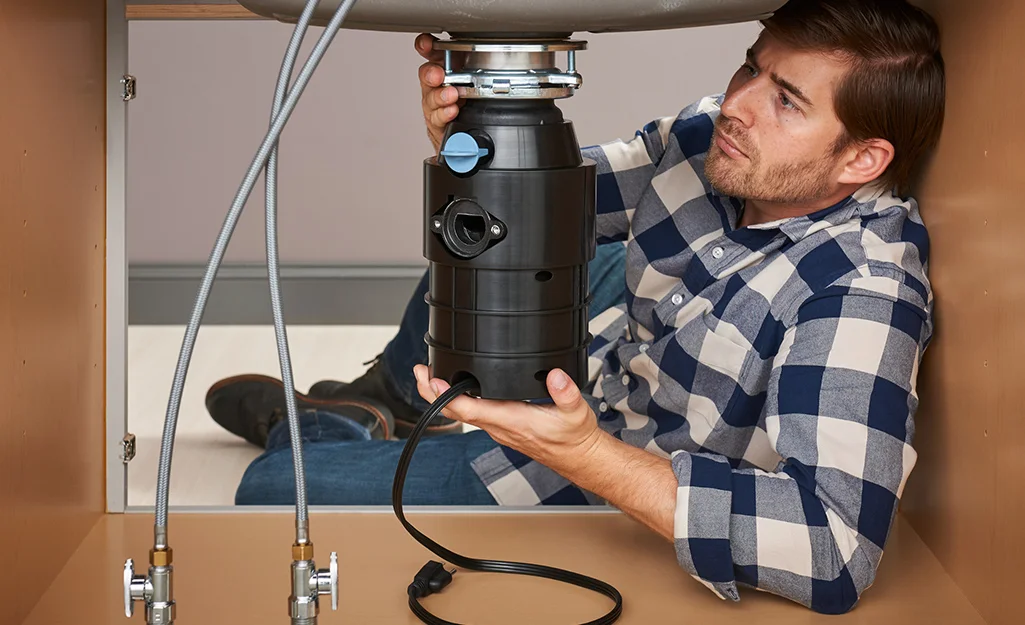
A garbage disposal motor is a small electric motor housed within the disposal unit beneath your kitchen sink. It powers the grinding mechanism that breaks down food waste into tiny particles for easy drainage. This motor converts electrical energy into mechanical force, rotating blades or impellers rapidly to process scraps efficiently.
Common Signs of Motor Failure
When the motor starts to fail, you might notice unusual noises, a humming sound without blade movement, or the unit failing to start at all. Overheating, frequent tripping of circuit breakers, or a burning smell may also indicate motor issues. Detecting these signs early can prevent further damage.
Essential Safety Precautions Before Starting Repairs
Power Off and Unplug Procedures
Safety is critical when handling garbage disposals. Always unplug the unit or switch off the circuit breaker before any inspection. This precaution eliminates the risk of accidental activation, which could lead to serious injury.
Protective Gear and Workspace Setup
Wear protective gloves and eye protection to guard against sharp blades and debris. Clear the workspace of clutter and ensure good lighting to work effectively. Avoid loose clothing or jewelry that could get caught during repairs.
Step-by-Step Troubleshooting Process
Identifying the Problem: Motor vs. Other Issues
Before assuming motor failure, verify that the problem is not caused by jams or clogs. Food scraps or foreign objects often obstruct blade movement, mimicking motor issues. Listen for humming sounds, which suggest the motor is receiving power but the blades are stuck.
Using a Multimeter to Test Motor Functionality
A multimeter helps determine if the motor is receiving power and functioning correctly. Test the voltage at the power outlet first and then at the disposal motor connections. Lack of voltage or irregular readings indicate electrical problems rather than motor faults.
Manual Motor Reset Techniques
Many garbage disposals feature a reset button beneath the unit. Pressing this after allowing the motor to cool may restore functionality following an overload. Additionally, an Allen wrench can be used to manually rotate the flywheel to free jams safely.
How to Disassemble Your Garbage Disposal Motor
Tools Required for Safe Disassembly
Essential tools include an Allen wrench, screwdrivers, pliers, and a flashlight. Use kitchen tongs or long pliers for removing debris safely. Ensure you have a bucket or container to hold small parts during the process.
Careful Removal of Motor Components
Begin by disconnecting electrical connections and mounting bolts. Carefully detach the motor housing, avoiding damage to wiring or seals. Keep track of each part’s placement to simplify reassembly and prevent misalignment or leaks.
Common Repairs and When to Replace Parts
Fixing Jammed Motors
Jammed motors often result from foreign objects stuck in the grinding chamber. Use an Allen wrench to manually turn the flywheel and dislodge the obstruction. Remove debris using pliers or tongs rather than hands, even if the motor is off, to ensure safety.
Replacing Bearings, Seals, and Switches
Worn bearings or leaking seals cause excessive noise or moisture under the sink. These components require replacement to restore smooth operation and prevent water damage. Faulty switches can also disrupt power flow and should be tested regularly and replaced if defective.
Reassembling and Testing Your Garbage Disposal
Step-by-Step Motor Reinstallation
Reinstall motor components in reverse order of removal. Secure wires firmly and double-check all connections. Make sure seals and gaskets are properly aligned to avoid leaks. Tighten mounting bolts evenly to prevent vibrations.
Safety Checks Before Powering On
Before restoring power, confirm that no tools or debris remain inside the disposal. Verify that all electrical connections are secure and insulated. Run water through the disposal while testing to ensure smooth operation and to flush any residual particles.
When Professional Help Is Necessary
Recognizing Repair Limits
Some motor issues require specialized knowledge or equipment beyond DIY capabilities. Persistent electrical faults, severe mechanical damage, or repeated failures signal the need for professional service. Attempting complex repairs without expertise can risk safety and damage.
Choosing a Reliable Repair Service
When hiring a technician, seek those with experience in garbage disposal repairs and good customer reviews. Confirm licensing, warranties on repairs, and transparent pricing. A qualified professional ensures safe, effective restoration and offers guidance on maintenance to prevent future problems.


