

Introduction to Safe Hardwood Floor Cleaning
Why Choose Non-Toxic and Biodegradable Products?
Imagine walking barefoot across your gleaming hardwood floor, knowing the cleaner used was safe not only for your home but also for your family and the environment. In recent years, more homeowners have turned toward non-toxic and biodegradable cleaning products, driven by growing concerns about indoor air quality and chemical exposure. These products are designed to break down naturally without leaving harmful residues, making them perfect for spaces where children or pets play on the floor daily.
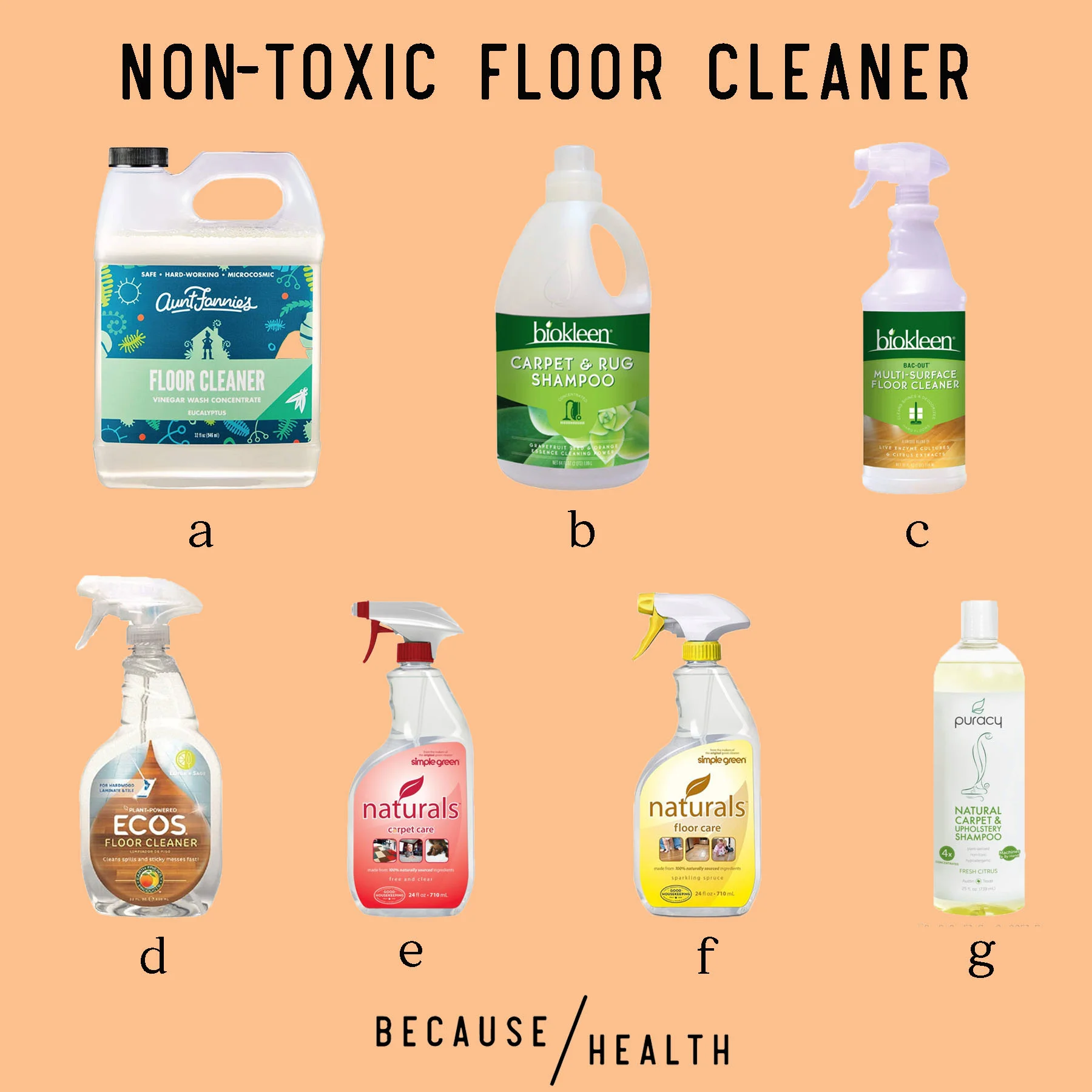
Using eco-friendly cleaners helps maintain the beauty of hardwood while aligning with a healthier lifestyle. For example, Sarah, a mother of two, shared how switching to plant-based cleaners reduced her son’s asthma flare-ups, proving the impact of safer cleaning choices beyond just the aesthetics of a polished floor.
Common Hazards of Traditional Cleaning Methods
Traditional hardwood floor cleaners often contain harsh chemicals like ammonia, bleach, or solvents that may deliver a fast shine but can cause long-term damage. These substances not only strip the protective finish from the wood but also release fumes that contribute to poor indoor air quality. John, a homeowner, recounted how frequent use of conventional cleaners left his floors dull and uneven, forcing costly refinishing earlier than expected.
Moreover, many conventional products are not biodegradable, creating environmental burdens as the residues enter our water systems. Beyond damaging your hardwood, these chemicals pose risks to pets and small children who spend time close to the floor, making it imperative to rethink what you use to clean.
Understanding Hardwood Floors
Types of Hardwood and Their Cleaning Needs
Not all hardwood floors are created equal. From solid oak to engineered maple, each type responds differently to moisture and cleaning agents. For example, solid hardwood tends to be more sensitive to water, requiring moisture-controlled cleaning methods, while engineered hardwood offers enhanced resistance but still calls for gentle handling.
Knowing your floor’s finish—whether it’s polyurethane, wax, or oil-based—is equally important. A friend of mine mistakenly used a wax cleaner on her polyurethane floor, which left a streaky, cloudy residue that took weeks to remove. Understanding these nuances allows you to select the safest, most effective cleaner without risking irreversible harm.
Effects of Harmful Chemicals on Wood
Harsh chemicals can break down the delicate oils and finishes that preserve hardwood floors. Over time, this leads to drying, cracking, and discoloration. In one case, a commercial cleaner with a strong alkaline base caused extensive finish peeling on a customer’s walnut floors after several months of regular use.
Besides aesthetic damage, chemicals can cause the wood to weaken structurally, making it more prone to dents and scratches. Even if damage isn’t immediately visible, residual chemicals can leave the floor vulnerable to everyday wear and tear.
Step-by-Step Guide to Cleaning Hardwood Floors Safely
Preparing Your Floor for Cleaning
Before applying any cleaner, start by removing dust, dirt, and debris. Sweeping or vacuuming with a brush attachment prevents particles from scratching your floor during the wet cleaning phase. In a recent scenario, neglecting this prep step caused a homeowner to spread grit around, which worsened the floor’s condition despite using gentle cleaning solutions.
It’s also wise to test your chosen product in a small, inconspicuous area. Applying a small amount and waiting 10 to 15 minutes lets you observe any discoloration or surface changes—a step that prevents costly mistakes in visible sections of your floor.
Choosing the Right Non-Toxic Cleaning Products
Look for cleaners labeled “pH-neutral” or “pH-balanced” as these are generally safe for hardwood floors. Trusted certifications like USDA Certified Biobased, EPA Safer Choice, or Leaping Bunny provide added assurance of product safety and environmental responsibility.
Plant-based ingredients that are biodegradable also offer a double benefit: they clean effectively while minimizing impact on indoor air quality. Products like Truly Free Home Floor Cleaner have become popular for their safe, residue-free cleaning, often preferred by eco-conscious homeowners and professional cleaners alike.
Application Techniques for Maximum Effectiveness
When cleaning, use minimal amounts of product, diluted as recommended, and apply with a damp mop—not soaked. Excessive moisture can seep into the wood, causing warping or staining. For instance, Tom, who used a soaking mop, noticed his floors began cupping after a few weeks.
Work in small sections and dry the surface promptly with a clean, dry cloth or mop. Adding a few drops of essential oils to your cleaning solution can impart a fresh scent without leaving harmful residues, balancing cleanliness and comfort.
DIY Non-Toxic Cleaning Solutions
Recipes for Biodegradable Floor Cleaners
Crafting your own cleaner is both economical and customizable. A common recipe involves mixing a few drops of castile soap with warm water to create a mild, effective solution. Alternatively, a small amount of non-toxic dish soap diluted in water can tackle everyday dirt without harsh effects.
Essential oils like lavender or tea tree can be added sparingly for natural antibacterial properties and pleasant fragrance. However, moderation is key to avoid buildup or reactions with the wood finish.
Tools and Materials Needed
Gathering the right tools enhances your cleaning routine. Soft microfiber mops or cloths reduce abrasion, while gentle sweepers or vacuum cleaners with hardwood settings prevent scratching. Avoid stiff-bristled brushes or rough pads that can damage the surface.
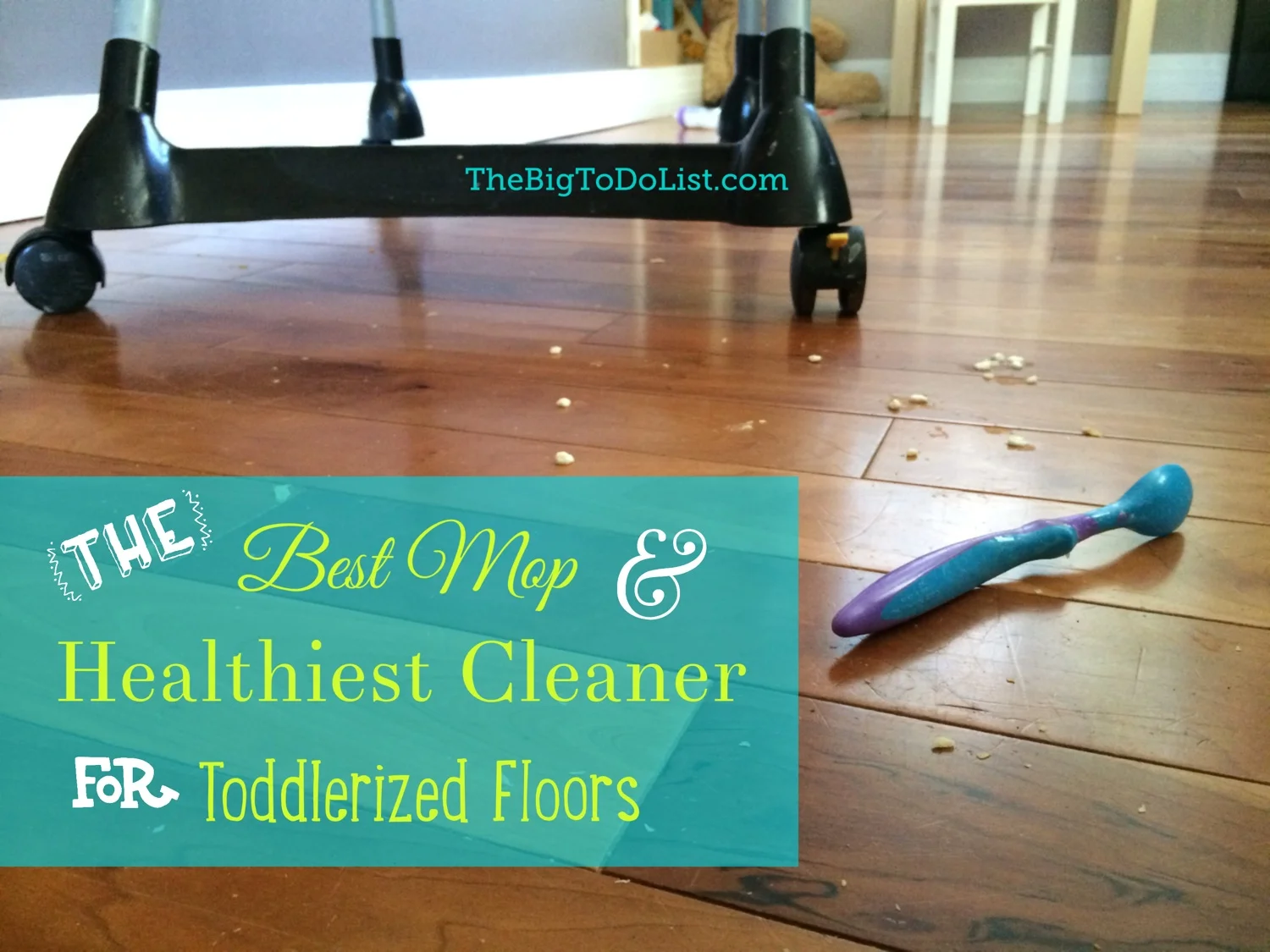
Using reusable spray bottles for your DIY solutions helps reduce waste, aligning your cleaning habits with sustainability goals.
Maintaining Hardwood Floors Between Cleanings
Daily Care Tips
Simple actions like promptly wiping up spills, using rugs in high-traffic areas, and encouraging sock-only zones can extend the life of your hardwood floors. Regular dusting or light sweeping removes abrasive grit before it wears down the finish.
Jessica, who added a doormat at each entrance and enforced shoe removal, noticed a dramatic reduction in surface scratches and dirt accumulation.
Preventing Damage and Prolonging Floor Life
Consistent, gentle cleaning routines avoid the pitfalls of waiting until dirt builds up or damage is visible. Using non-toxic, pH-balanced products prevents chemical wear, while protective measures such as felt pads under furniture minimize dents and scuffs.
Over time, this approach keeps floors looking new and reduces the need for refinishing, saving money and resources.
Environmental and Health Benefits of Non-Toxic Cleaning
Impact on Indoor Air Quality
Traditional cleaners often release volatile organic compounds (VOCs) that degrade air quality and contribute to respiratory issues. Using non-toxic, biodegradable products decreases indoor pollution, creating a safer environment for family members with allergies or asthma. Michelle, whose child suffers from allergies, found her symptoms eased significantly after she switched to eco-friendly cleaners.
Reducing Your Carbon Footprint
Choosing biodegradable products and those with minimal, recycled packaging supports environmental sustainability. By avoiding harsh chemicals, you reduce harmful runoff into waterways and lessen your home’s overall ecological impact. Small steps, like refilling bottles or selecting local suppliers, amplify these benefits.
Common Mistakes to Avoid When Cleaning Hardwood Floors
Using Harsh Chemical Products Unknowingly
Many commercial products advertise as “all-purpose” but conceal damaging ingredients. Always read labels carefully and research unknown substances. Avoid acidic solutions like vinegar for frequent cleaning, as they can erode finish and dry out wood fibers. One cleaner rushed by poor labeling resulted in a homeowner’s floor developing a cloudy haze that persisted for months.
Over-Wetting and Its Consequences
Excess moisture is a frequent and costly mistake. Water pooling or soaking can warp boards, cause cupping, or encourage mold growth beneath the surface. Stick to lightly damp mops and dry the floor immediately to avoid these problems, as illustrated by a renter who inadvertently soaked their floor during deep cleaning and faced expensive repairs.
Conclusion: Embracing Eco-Friendly Cleaning Practices
Transitioning to non-toxic, biodegradable cleaning methods for your hardwood floors not only preserves their natural beauty but also fosters a healthier indoor space and a cleaner planet. Real-life experiences highlight that gentle, informed choices provide lasting results without sacrificing effectiveness.
By selecting the right products, adopting mindful cleaning habits, and avoiding common pitfalls, you ensure your hardwood floors remain inviting and vibrant for years to come—proof that caring for your home and the environment can go hand in hand.


