

Introduction to Recycling Plastic Bottles into Plant Pots
Environmental Benefits of Upcycling Plastic
Each year, millions of plastic bottles end up in landfills or oceans, causing significant harm to the environment. By repurposing these bottles into plant pots, gardeners and eco-conscious individuals can reduce plastic waste, lessen the demand for new plastic products, and promote sustainability. For example, a community garden in urban areas turned their collected plastic waste into planters, fostering environmental awareness while beautifying the space. This simple act not only keeps plastic out of the waste stream but also encourages creative reuse, promoting a circular lifestyle where items get a second life.

Overview of Materials Needed
Creating durable pots from recycled plastic bottles requires minimal materials, most of which you likely already have at home. You’ll need various sizes of clean plastic bottles, a sharp pair of scissors or a craft knife for cutting, a tool to make drainage holes (such as a heated needle or screwdriver), and optionally pumice or small gravel to improve drainage. Paints and decorating supplies can transform plain bottles into artistic planters. It’s helpful to gather bottles of different shapes and sizes to accommodate a range of plants, from shallow-rooted herbs to deeper-rooted flowers.
Step-by-Step Guide to Making Durable Plant Pots
Cleaning and Preparing the Plastic Bottles
Start by thoroughly rinsing out each bottle to remove residue that could harm plants or attract pests. Soap and warm water work well, but make sure to rinse completely to avoid any chemical contamination. During a workshop I led, participants quickly realized how essential this step is after a few plants showed stunted growth due to leftover soda residue. Removing labels helps with aesthetics and ensures the paint adheres better if you plan to decorate. Let the bottles dry fully before moving on to cutting.
Watch the Tutorial
Cutting and Shaping the Pots
The shape and size of your pots depend on the plant types you want to grow. For small herbs, cut bottles horizontally about one-third from the bottom to create shallow pots. Taller plants require the entire bottle length or stacking multiple bottles vertically. One gardener I know used large 5-liter water bottles for tomatoes, carefully cutting a section at the top and bottom, then inverting and stacking to build a tall planter with plenty of root space. Be careful with sharp tools and make smooth, even cuts to prevent cracking. Sometimes, trial and error will lead you to the best shape—don’t hesitate to experiment.
Strengthening Techniques for Durability
Plastic bottles on their own can be flimsy, especially when filled with soil and water. To reinforce them, consider integrating several bottles side-by-side or gluing parts of cut bottles together for added thickness. Another approach involves weaving plastic bottle strips or using the bottoms of bottles as a solid base. Using pumice mixed into the soil can also reduce weight and improve aeration, making handling easier. In my experience, combining smaller bottle sections into a larger mold not only increases stability but also makes the planter aesthetically unique and durable enough for outdoor exposure.
Adding Drainage and Aeration Features
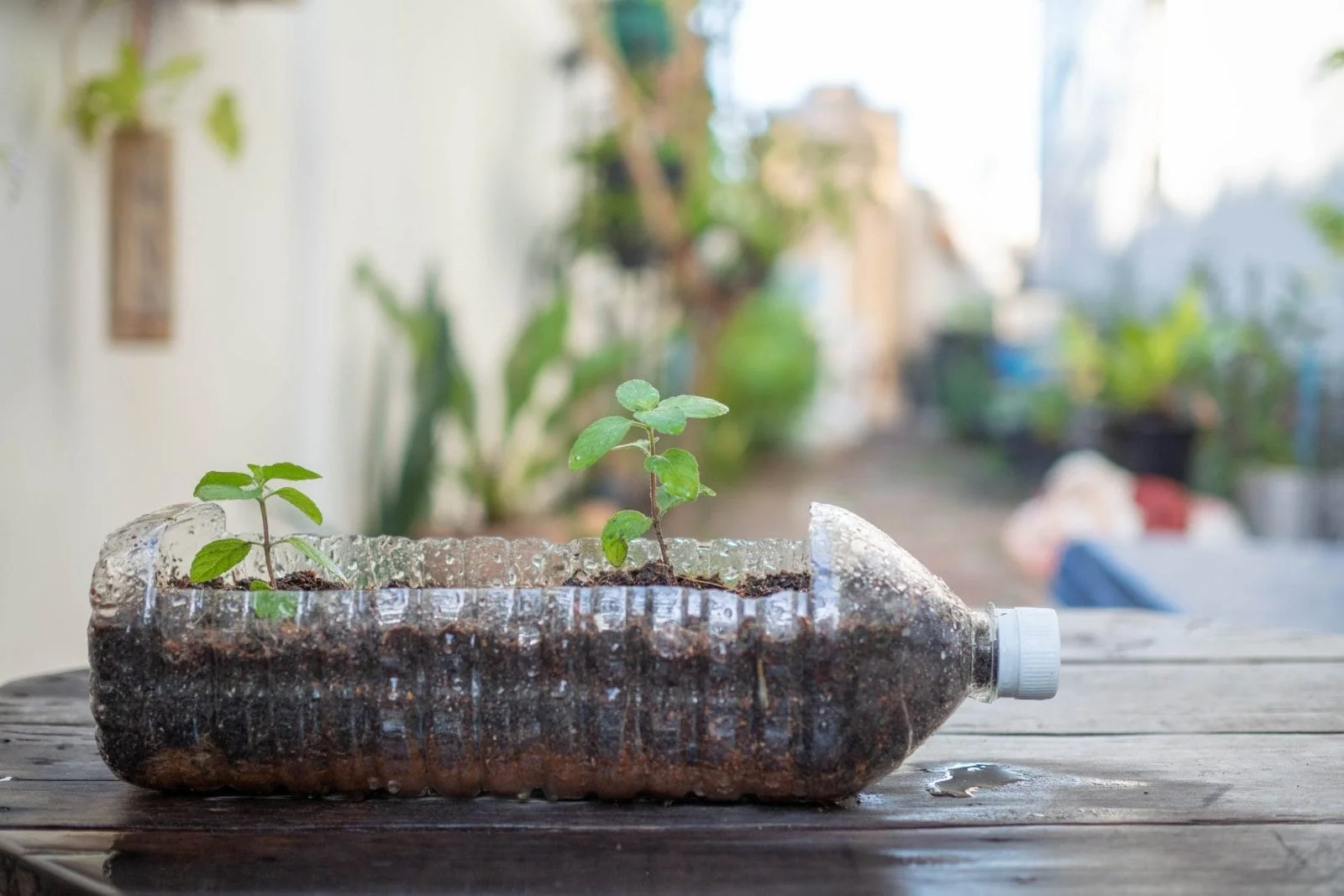
Proper drainage is a common pitfall—without it, roots may rot and plants suffer. Always punch or melt small holes in the bottom and sides of your bottle pots to allow water to escape and air to circulate. For succulents, fewer but larger holes suffice, while tropical plants might need more extensive drainage. One gardener’s mistake was using uncapped bottles without holes, resulting in stagnant water and plant decline. Adding a layer of small stones or pumice at the bottom before soil helps prevent soil from falling through and improves aeration. Regularly monitoring soil moisture will help you adjust your drainage setup if necessary.
Design Ideas and Customization Tips
Painting and Decorating Your Pots
Beyond function, decorating your recycled pots adds personality and charm. Water-based acrylic paints work well on plastic, allowing bright patterns and themes to emerge. I recently saw a school project where children painted their pots with colorful butterflies and geometric shapes, which brightened their windowsill gardens. Applying a sealant after painting can protect colors from fading, especially for outdoor pots. Alternatively, wrapping pots with fabric or natural twine adds rustic appeal without painting.
Creative Uses Beyond Traditional Pots
Think beyond the typical plant pot shape—plastic bottles can be transformed into vertical gardens, hanging planters, or even modular systems for balcony farming. One urban gardener connected multiple bottle pots in a stepped arrangement, ideal for growing lettuces and herbs in limited space. Small pots can become seed starters or be used for specialized plants like succulents. Adjust the arrangement and bottle sizes according to root depth and growth habits, creating a dynamic, space-saving garden setup. Remember that using bottles reduces soil weight, making these structures easier to move and manage.
Maintenance and Longevity of Recycled Plastic Pots
Best Practices for Outdoor and Indoor Use
While plastic bottles are durable, sun exposure and temperature fluctuations can degrade them over time. For outdoor use, placing pots in shaded or sheltered areas extends their lifespan. Indoor plants benefit from more controlled environments but still require monitoring of soil moisture and root health. It’s important to consider plant type when selecting pot size and bottle arrangement—roots that need deep soil will suffer in shallow containers. Regularly check for cracks or fading signs and avoid using pots without adequate drainage, especially for plants sensitive to waterlogged roots.
How to Repair and Extend Pot Lifespan
Small cracks or holes can be patched using non-toxic adhesives or duct tape as a temporary fix. If a pot becomes too damaged, parts can be salvaged to create smaller pots or used in layered planters. Recycled pots are surprisingly resilient when cared for properly, especially if cleaned and stored during harsh weather. One gardener shared that rotating pots seasonally—moving them indoors during winter and outdoors in summer—prolonged their usability by several years. Keeping a few extra bottles on hand allows easy replacements or improvements over time, ensuring your sustainable gardening practice continues smoothly.


